Get 66% off →
Business & Strategy
Top Remote Team Communication Tools to Use in 2026
Compare the top remote team communication tools, learn the 4-layer communication stack, and find tips to keep distributed teams aligned and productive.


Decktopus Content Team
Why Remote Team Communication Matters
Types of Remote Communication
Top Remote Team Communication Tools
The 4-Layer Remote Communication Stack
How to Choose the Right Tools
Common Mistakes to Avoid
How to Build Your Remote Team Update Deck with Decktopus AI
FAQ
Conclusion
Stay Connected
Why Remote Team Communication Matters
Remote team communication is how distributed team members share updates, make decisions, and stay aligned without being in the same room. The main benefit of getting it right: fewer delays, fewer misunderstandings, and faster work.
McKinsey's American Opportunity Survey found that 58% of Americans can work from home at least one day a week. Statistics like these show remote communication is no longer optional.
Clear, consistent communication is the foundation of any successful project, from developing cash advance apps with unemployment benefits to creating an online learning product. Many workers can now work from home at least part of the week.
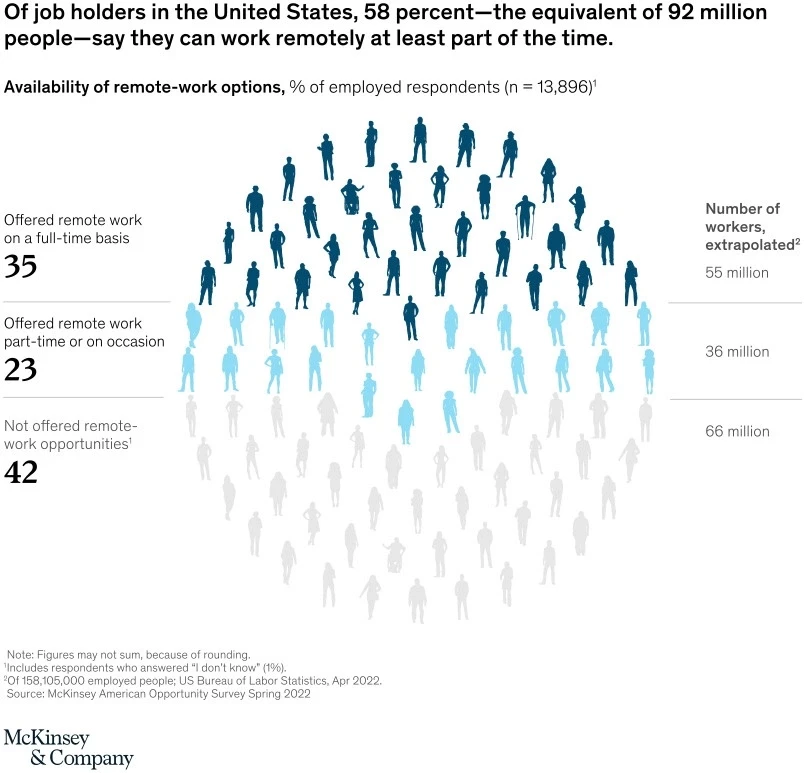
Teams need clear channels for email, chat, and video. Without them, projects slip and small misunderstandings grow.
Types of Remote Communication
Type | What It Is | Best For | Example Tools |
|---|---|---|---|
Synchronous | Real-time conversation | Quick decisions and brainstorming | Zoom, Microsoft Teams |
Asynchronous | Messages read later | Updates across time zones | Slack, email, recorded decks |
Task-based | Discussion attached to work | Project details and accountability | Asana, ProofHub |
Visual | Slides, diagrams, and demos | Plans, updates, and proposals | Presentation tools |
Top Remote Team Communication Tools
Features and pricing change often, so check each tool's website for the latest details.
Slack: Team Messaging
Slack organizes team conversations into channels by project or topic. It also offers huddles for audio and video, file sharing, and many integrations.
Threads keep important updates from getting lost in busy channels.
Zoom: Virtual Meetings and Video Calls
Zoom is one of the most widely used video meeting tools. It is easy to use and offers screen sharing, virtual backgrounds, and recordings.
It is a reliable choice for team meetings, client calls, and webinars.
Microsoft Teams: All-in-One Communication
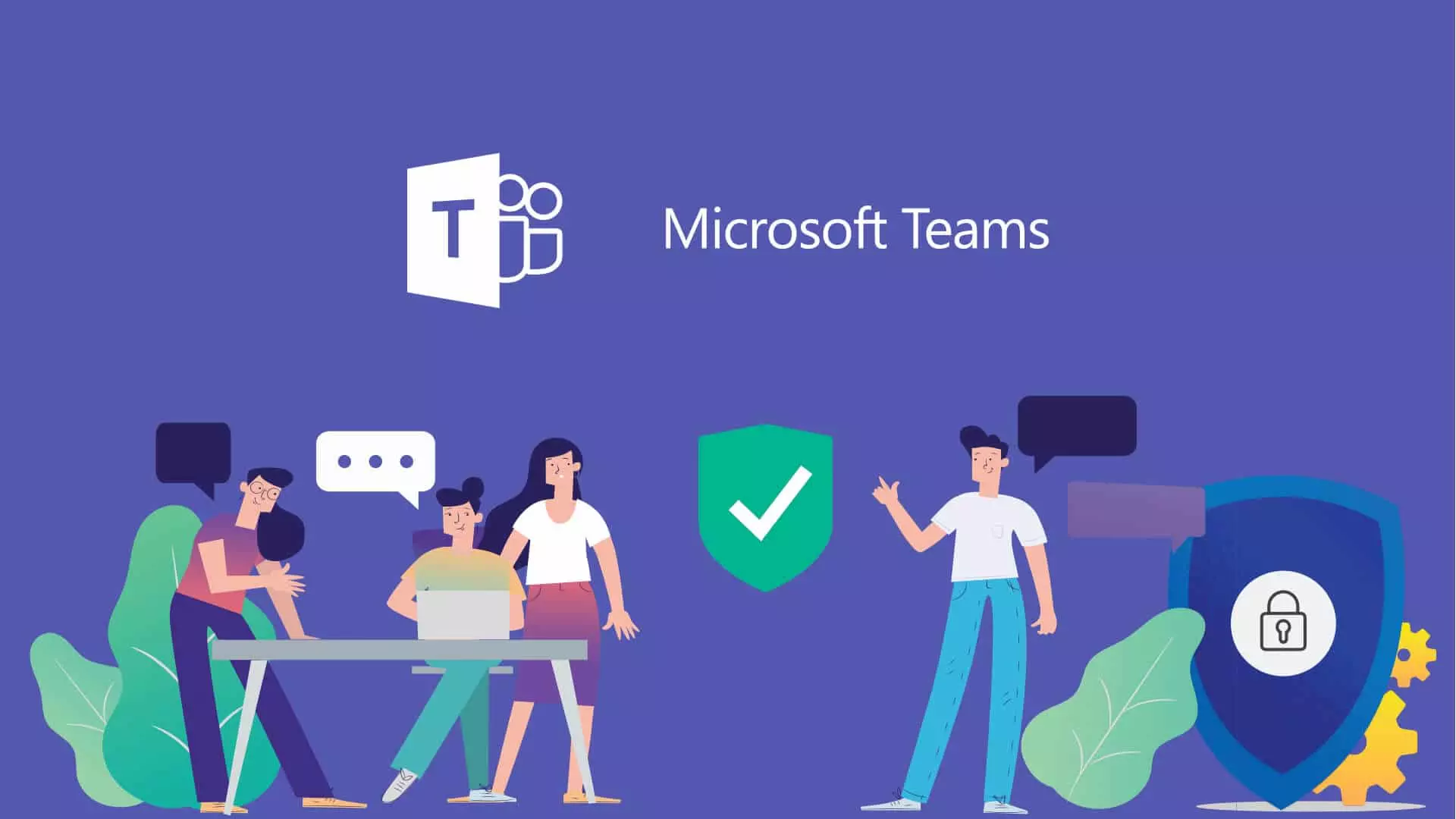
Microsoft Teams combines chat, video meetings, and file sharing in one place. It even supports remote device management (RDM) for IT teams.
It works especially well for companies already using Microsoft 365.
Asana: Task Management
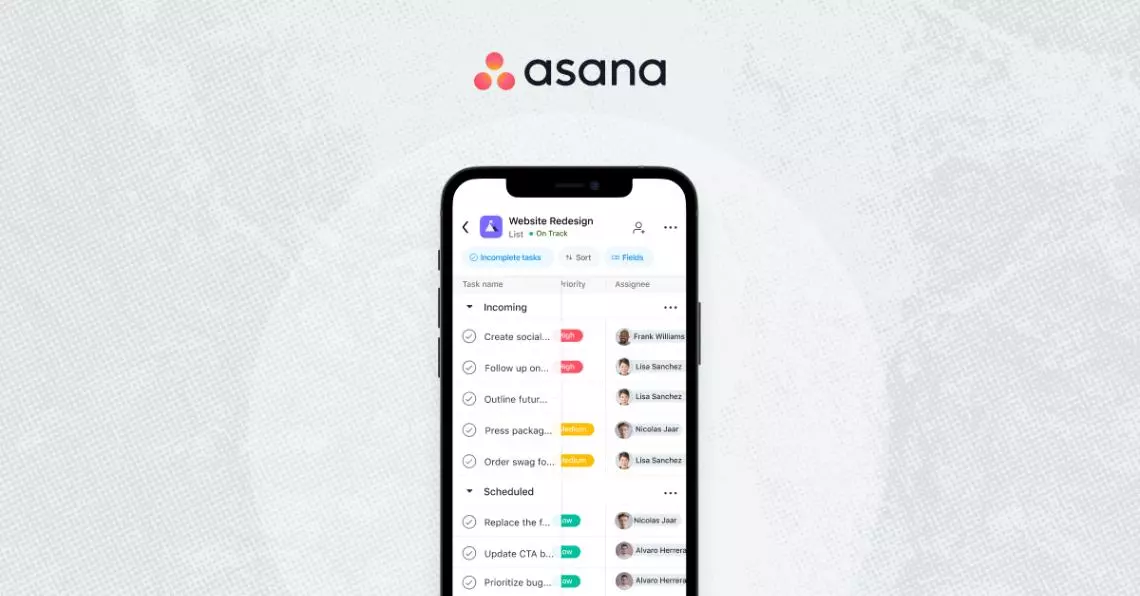
Asana helps teams assign tasks, set deadlines, and track progress. Its mobile app lets you stay on top of work from anywhere.
Keeping discussions next to tasks means fewer lost emails and missed deadlines.
Google Chat: Team Messaging for Google Workspace

Google Chat (which replaced Google Hangouts) is Google's team messaging app. It works closely with Gmail, Drive, and Google Meet.
It is a natural fit for teams that already live in Google Workspace.
ProofHub: Project Collaboration
ProofHub is a cloud-based project management and team collaboration software that helps remote teams communicate with context. It allows you to create tasks in a project, delegate tasks to team members, and allocate a dedicated task space for each task where team members can communicate and share files directly.
This helps streamline collaboration, avoid misunderstanding, and improve accountability. ProofHub also offers project discussions, real-time chat, collaborative notes, file sharing, and online proofing to support remote team communication.
Tool | Main Use | Best For |
|---|---|---|
Slack | Messaging and channels | Fast daily communication |
Zoom | Video meetings | Calls, client meetings, webinars |
Microsoft Teams | All-in-one communication | Microsoft 365 companies |
Asana | Task management | Tracking projects and deadlines |
Google Chat | Messaging | Google Workspace teams |
ProofHub | Project collaboration | Tasks with built-in discussion |
The 4-Layer Remote Communication Stack
Use the 4-Layer Remote Communication Stack to cover every need without tool overload.
Chat layer. One tool for quick messages, such as Slack, Microsoft Teams, or Google Chat.
Meeting layer. One tool for video calls, such as Zoom or Teams.
Work layer. One tool for tasks and projects, such as Asana or ProofHub.
Story layer. A simple way to share plans and updates visually, such as a short presentation.
How to Choose the Right Tools
Start with your workflow. Map how your team actually communicates before you buy anything.
Check integrations. Tools that connect save time and reduce copy and paste.
Consider time zones. Asynchronous tools matter more as your team spreads out.
Think about security. Review data protection and access controls.
Test with a small group. Run a short pilot before rolling out.
Common Mistakes to Avoid
Too many tools. People stop checking channels when there are too many.
No communication norms. Agree on which tool to use for what.
Meetings for everything. Many updates work better asynchronously.
Long, unclear messages. Lead with the point and the ask.
Ignoring time zones. Rotate meeting times and record key sessions.
No visual updates. A short deck often explains plans better than a long message.
How to Build Your Remote Team Update Deck with Decktopus AI
Remote teams need updates people can read on their own time. A short, clear deck is one of the best formats for that.
Why Decktopus AI Works for Remote Teams
AI Presentation Generation. Type "Monthly remote team update with goals, wins, and blockers" and get a full deck.
Live link auto-update. Edit once, and everyone sees the latest version at the same link.
Embed. Place a deck in your wiki or intranet with an embed code.
Team Collaboration (Business plan). Give teammates shared deck access (not real-time co-editing).
Deck Analytics. See who viewed the update and which slides they spent time on with Deck Analytics.
Mobile. Create, edit, and present from any device.
Task | Traditional Tools | Decktopus AI |
|---|---|---|
Writing a team update | Long email or doc | Short deck from a prompt |
Sharing updates | Attachments | Live link or embed |
Keeping it current | Resend new files | Updates at the same URL |
Knowing who read it | Read receipts at best | Deck Analytics |
Who This Is For
Founders updating distributed teams
Customer success teams sharing account updates
Marketers sharing campaign results
Agencies updating remote clients
Step-by-Step: Build Your Team Update Deck
Describe your topic. Type something like "Monthly remote team update with goals, key wins, blockers, and next month's priorities." Or upload your notes or files with the paperclip icon, and use Beautify to Use as a Resource (prompt required) or Redesign.
Choose your style. Pick a saved brand or style, import your brand from your website URL, or create a new style from a Minimal, Bold, or Dark base (or Let AI pick).
Review the AI-generated outline. Edit, reorder, duplicate, or delete slide cards, and use Adjust to change your style.
Generate the full presentation. Approve the outline and get the complete deck with content, layout, and design.
Refine with Edit with AI or Edit Text. Try "Add a slide for each team's update," "Turn the blockers into a table with owners," or "Add a closing slide with next steps." Preview and undo, use Edit Text for manual edits (5 credits per edit), and restore any past version.
Add images. Generate AI images, upload photos, or search Unsplash and Freepik.
Rehearse with Loop AI Delivery Coach. Work through The Profiler, The Architect, The Red Team, and The Mirror.
Export or share. Export to PDF, PPT, or PNG, share a live link, embed it, or present in Presentation Mode. Business plan users can add a custom domain. Turn on the email gate and track engagement with Deck Analytics.
Ready to keep your remote team aligned? Get started with Decktopus AI.
FAQ
What are the best remote team communication tools?
Popular choices include Slack, Zoom, Microsoft Teams, Asana, Google Chat, and ProofHub.
Why is communication important for remote teams?
It keeps everyone aligned, prevents delays, and builds trust without face-to-face contact.
What is asynchronous communication?
Communication that people respond to on their own schedule, such as messages, recorded videos, or shared decks.
What is synchronous communication?
Real-time communication, such as video calls or live chat.
How many communication tools should a remote team use?
Usually one each for chat, meetings, and tasks, plus a way to share visual updates.
How do you improve remote team communication?
Set clear norms, use the right tool for each purpose, and favor short, clear messages.
What happened to Google Hangouts?
Google replaced Hangouts with Google Chat and Google Meet.
How do remote teams handle different time zones?
Use asynchronous updates, record key meetings, and rotate live meeting times.
What is the best video conferencing tool?
Zoom and Microsoft Teams are both widely used. The best one is the one your team and clients already use.
How can presentations help remote teams?
A short deck explains plans and updates clearly, and people can review it on their own time.
Can I see who read my team update?
Yes. If you share a Decktopus AI live link, Deck Analytics shows who viewed it and for how long.
Can I create team updates in other languages?
Yes. Decktopus AI generates presentations in 100+ languages, set by the language of your prompt.
Conclusion
Communication is the backbone of every successful remote team. The right tools make it easier to stay connected and get work done from anywhere.
Use the 4-Layer Remote Communication Stack, set clear norms, and avoid the common mistakes. Every platform has different strengths, so choose the mix that fits your team.
When you need a clear way to share updates, get started with Decktopus AI.
Stay Connected
Follow Decktopus AI for more remote work and presentation tips:
Related posts

How to Improve Communication Skills at Work (2026 Practical Guide)
The 5 workplace communication skills that matter most, the CLEAR framework, and the AI practice method that turns weak communicators into strong ones.
Business & Strategy

Job Interview Sample Questions: How to Practice Your Answers (2026)
The 20 most common interview questions, the STAR framework for answers, and the AI practice method that turns rehearsed responses into confident ones.
Business & Strategy

How to Negotiate a Raise: The Script, Practice Method & Tips That Actually Work
A step-by-step script for negotiating a raise, common mistakes to avoid, and the AI practice method that turns a nervous ask into a confident one.
Business & Strategy