Business & Strategy
Case Study Mastery: Examples and Step-by-Step Guide
Master case studies. Uncover key strategies to conduct and present findings that influence decisions and inspire action.


Decktopus Content Team
Understanding and sharing success stories in the business management world is crucial for grasping the growth journey of a business.
In this article, we delve into the concept of a business management case study, exploring its definition, benefits, limitations, step-by-step process, types, and essential elements.
What is a Case Study?
A case study is a detailed analysis of a particular subject, often a real-world situation or scenario, to draw insights and conclusions. It serves as a valuable tool for learning from successful strategies, identifying challenges, and making informed decisions.
For a foundational overview, see our breakdown on what a case study is and our collection of case study examples.
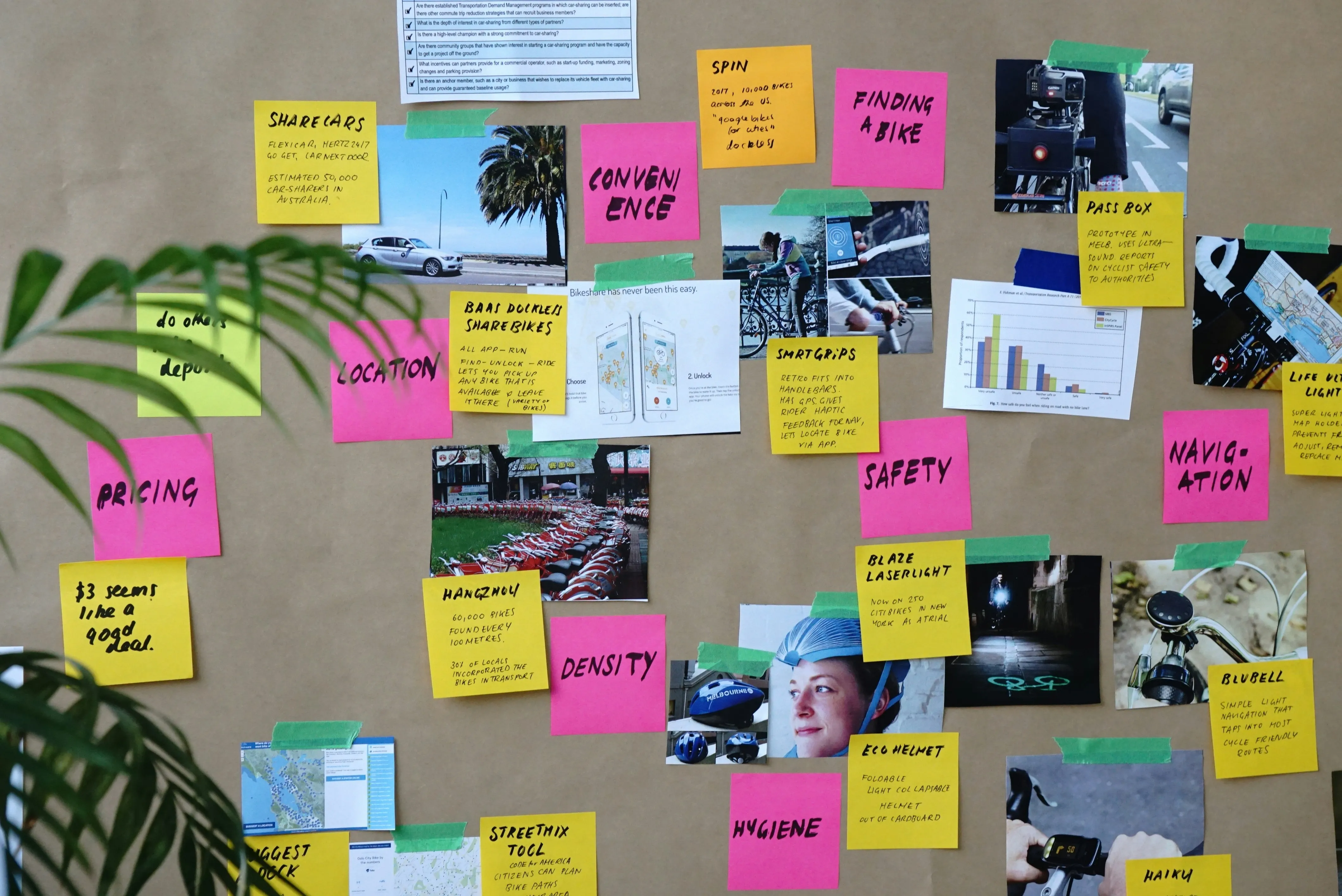
Key Characteristics of a Case Study:
Specific Focus. Case studies concentrate on a particular subject, narrowing down the scope to delve deeply into specific aspects.
Real-world Context. Unlike theoretical studies, case studies are grounded in the real world. They often involve the examination of actual events, circumstances, or challenges.
Comprehensive Exploration. Case studies involve a thorough investigation of multiple facets of the chosen subject. This may include collecting and analyzing data, conducting interviews, and reviewing relevant documents.

Contextualization. Each case study is set within a context, providing background information to help readers or viewers understand the circumstances surrounding the case.
Problem-Solving Orientation. While exploring the intricacies of a case, case studies often aim to identify problems, challenges, or opportunities. They can be used as tools for problem-solving and decision-making.
In-depth Analysis. The analysis in a case study goes beyond surface-level observations. It involves a detailed examination of factors contributing to the situation, allowing for a nuanced understanding.
Presentation of Findings. A case study concludes with the presentation of findings, insights, and conclusions. A visually compelling presentation plays a vital role in making your case study land with the audience. For more on this, see our breakdown of what makes for a good presentation.

Why You Should Write a Case Study?
Writing a case study offers several compelling reasons for individuals and businesses alike.
Demonstrate success. A case study allows you to showcase your achievements and successes. It provides tangible evidence of your capabilities, helping build trust and credibility with potential clients, customers, or collaborators.

Educate and inform. Use case studies to share valuable insights, lessons learned, and best practices. By documenting your experiences, you contribute to the collective knowledge within your industry, positioning yourself as an authority and resource.
Problem-solving showcase. If your case study revolves around overcoming challenges, it highlights your problem-solving abilities. This can be particularly impactful in industries where complex issues require innovative solutions.
Engage your audience. Well-crafted case studies are engaging and resonate with your audience. They tell a story, making information more relatable and memorable.

Build brand awareness. Case studies provide an opportunity to promote your brand in a context that goes beyond traditional marketing. Through real-world examples, you can reinforce your brand message and values.
Attract new opportunities. A compelling case study can attract new opportunities, whether clients, partnerships, or collaborations. It serves as a powerful marketing tool, showcasing your expertise to a wider audience. For more on framing pitches that convert, see our guide on how to sell an idea effectively.
Validate your methods. For businesses, case studies serve as validation of methods and strategies. Employing a robust case study methodology demonstrates the effectiveness of your products, services, or approaches.
Internal learning. Writing a case study requires reflection on your processes and case outcomes. This internal learning process contributes to continuous improvement within your organization, fostering a culture of innovation and adaptability.

SEO benefits. Case studies can be optimized for search engines, contributing to your online visibility. Including relevant keywords and internal links in your case studies can improve your website’s SEO, attracting more organic traffic.
Differentiation. In competitive industries, a well-crafted case study sets you apart. It allows you to highlight what makes your approach unique and why clients should choose your products or services. For more on standing out competitively, see our breakdown of competitor analysis examples.
Benefits and Limitations of Case Studies

Benefits of Case Studies:
Evident success stories: Case studies serve as tangible evidence of a business’s success, allowing them to showcase real-world achievements and build credibility with potential clients or customers.
Effective marketing tool: They function as powerful marketing tools by providing in-depth insights into a business’s capabilities, differentiating it from competitors, and influencing the decision-making process of potential clients.
Client relationship building: Through detailed case studies, businesses can strengthen relationships with existing clients by demonstrating their commitment, problem-solving abilities, and measurable results.
Versatile content: Case studies offer versatile content that can be repurposed across various marketing channels, including websites, social media, presentations, and promotional materials.
Educational value: Businesses can use case studies to educate their target audience about their industry, innovative solutions, and best practices, positioning themselves as thought leaders.
Limitations of Case Studies:
Resource-intensive: Creating comprehensive case studies demands significant resources, including time, effort, and potential costs.
Limited generalization: Findings from a specific case study may not be universally applicable, limiting their generalizability to other scenarios or industries.
Potential bias: There is a risk of bias in the selection and presentation of information, as businesses may be inclined to emphasize positive outcomes and downplay challenges.
Confidentiality concerns: Businesses may face challenges in sharing detailed information, especially if it involves sensitive data or strategies, raising concerns about confidentiality.
Difficulty in replication: The unique circumstances of a case study may make it challenging to replicate the same success in different contexts, limiting the broader applicability of the insights gained.
How to Conduct a Case Analysis: Step-by-step
1. Define the Objective:
Clearly outline the purpose of the case study. What do you aim to achieve or understand through this analysis?

2. Select the Case:
Identify a relevant and specific case that aligns with your objective. For an important case study this could be a real-world situation, event, or phenomenon.
3. Background Research:
Gather background information about the case. This may include historical context, key players involved, and any existing literature on the subject.

4. Identify Key Issues or Questions:
Formulate specific research questions or highlight key issues you want to address through the case study.
5. Choose the Research Method:
Decide on the case study method or approach for data collection. A case study research method could involve qualitative methods such as interviews, observations, or document analysis.
6. Develop Data Collection Plan:
Outline a detailed plan for collecting data. Specify sources, methods, and tools you will use to gather relevant information.
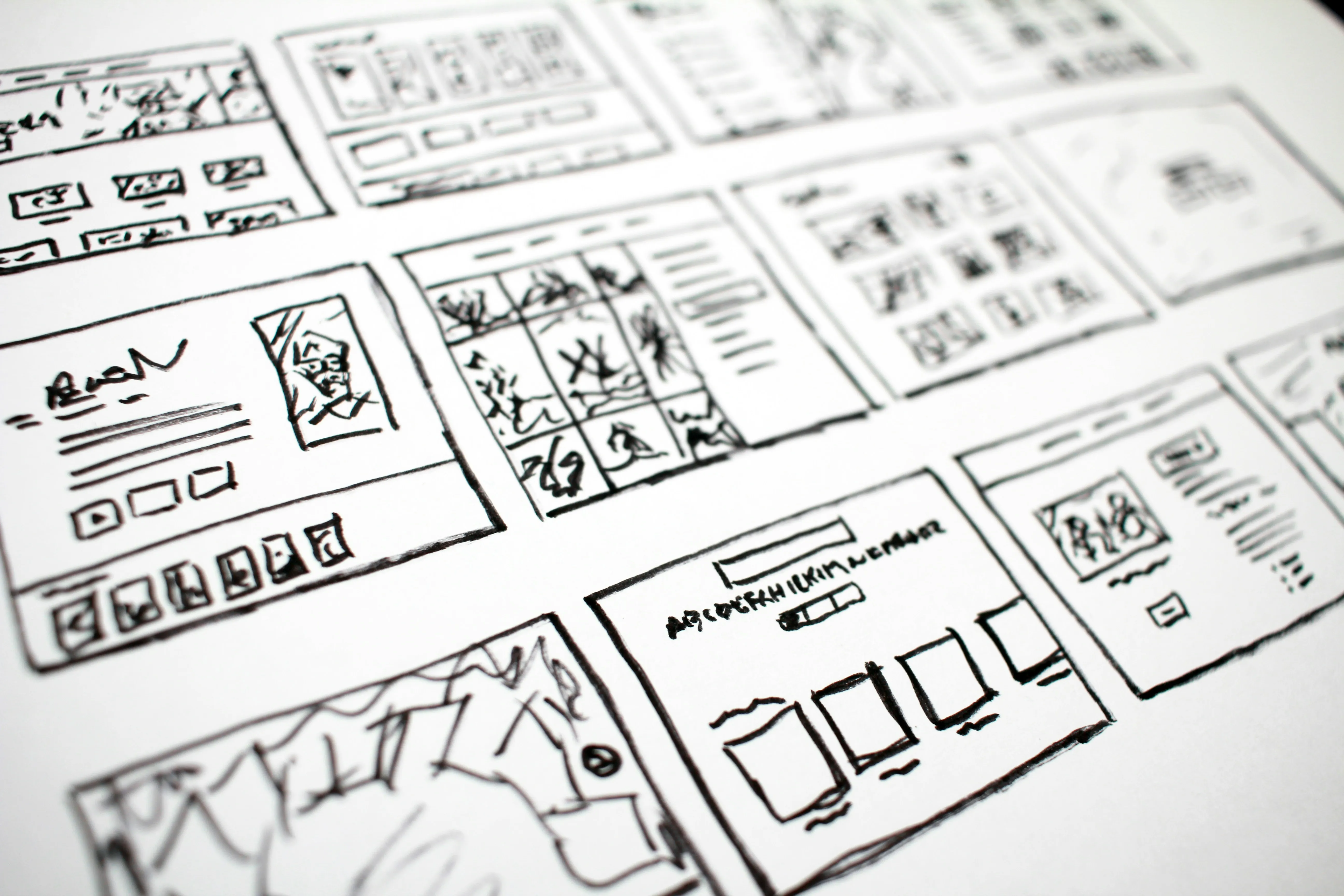
7. Data Collection:
Execute the data collection plan. Conduct interviews, observe events, and analyze documents to accumulate necessary data.
8. Data Analysis:
Apply appropriate analytical techniques to interpret the gathered data. This may involve coding, categorizing, and identifying patterns or themes. Visualize key findings with bar charts or pie charts so they land faster.
9. Construct the Case Study Narrative:
Organize the findings into a coherent and structured narrative. Develop sections that cover the introduction, background, analysis, and conclusion.

10. Draw Conclusions:
Based on your analysis, after you conduct case study, draw conclusions that address the research questions or objectives. Consider the implications of your findings.
11. Peer Review or Feedback:
Seek feedback from colleagues, mentors, or peers to ensure the validity and reliability of your case study.
12. Finalize the Case Study:
Incorporate feedback and make necessary revisions. Finalize the case study, ensuring clarity, coherence, and adherence to ethical guidelines.
13. Document and Share:
Prepare the case study for publication or presentation and take advantage of Decktopus AI, a user-friendly and efficient presentation generator powered by AI. Easily convert your case study insights into a visually compelling deck.
Decktopus ensures your case studies are presented in a format that engages your audience, making your narratives more impactful and memorable. Explore the benefits of Decktopus AI to elevate your case study presentations effortlessly.
What are the Components of a Case Study
The format of a case study typically comprises several key components to present information in a structured and comprehensive manner. While variations may exist based on the context and purpose, a standard case study format often includes the following elements:
1. Introduction
Provide a brief overview of the case and set the stage for the reader. Outline the main objectives and establish the context of the study. For more on opening with impact, see our guide on how to start a presentation with hooks that grab attention.
2. Background
Present relevant background information about the subject of the case. This may include history, industry context, or any pertinent details necessary for understanding the situation.
3. Problem Statement or Objectives
Clearly state the problem or the main objectives of the case study. Define the issues or challenges that the study aims to address.
4. Analysis
Dive into the analysis of the case. This section often comprises multiple sub-sections, each exploring different aspects such as market conditions, internal factors, external influences, and so on.
5. Solution or Action
Propose solutions or actions to address the identified problems. Detail the steps taken or recommended strategies based on the analysis.
6. Results
Present the outcomes of the solutions or actions taken. Include any measurable results, impacts, or changes observed.
7. Conclusion
Summarize the key points, outcomes, and lessons learned. Revisit the problem statement and emphasize the significance of the study. For more on closing strong, see our guide on how to end a presentation with impact.
Types of Case Studies
[[EMBED:PGRpdiBzdHlsZT0ib3ZlcmZsb3cteDphdXRvO21hcmdpbjoyMHB4IDAiPjx0YWJsZSBzdHlsZT0id2lkdGg6MTAwJTtib3JkZXItY29sbGFwc2U6Y29sbGFwc2U7Zm9udC1zaXplOjE1cHg7bWFyZ2luOjhweCAwIj48dHI+PHRoIHN0eWxlPSJib3JkZXI6MXB4IHNvbGlkICNlM2U2ZWE7cGFkZGluZzoxMHB4IDE0cHg7dGV4dC1hbGlnbjpsZWZ0O2JhY2tncm91bmQ6I2Y0ZjZmODtmb250LXdlaWdodDo2MDAiPkNhc2UgU3R1ZHkgVHlwZTwvdGg+PHRoIHN0eWxlPSJib3JkZXI6MXB4IHNvbGlkICNlM2U2ZWE7cGFkZGluZzoxMHB4IDE0cHg7dGV4dC1hbGlnbjpsZWZ0O2JhY2tncm91bmQ6I2Y0ZjZmODtmb250LXdlaWdodDo2MDAiPlB1cnBvc2U8L3RoPjx0aCBzdHlsZT0iYm9yZGVyOjFweCBzb2xpZCAjZTNlNmVhO3BhZGRpbmc6MTBweCAxNHB4O3RleHQtYWxpZ246bGVmdDtiYWNrZ3JvdW5kOiNmNGY2Zjg7Zm9udC13ZWlnaHQ6NjAwIj5Vc2U8L3RoPjwvdHI+PHRyPjx0ZCBzdHlsZT0iYm9yZGVyOjFweCBzb2xpZCAjZTNlNmVhO3BhZGRpbmc6MTBweCAxNHB4O3RleHQtYWxpZ246bGVmdDt2ZXJ0aWNhbC1hbGlnbjp0b3AiPlByb2R1Y3QgTGF1bmNoPC90ZD48dGQgc3R5bGU9ImJvcmRlcjoxcHggc29saWQgI2UzZTZlYTtwYWRkaW5nOjEwcHggMTRweDt0ZXh0LWFsaWduOmxlZnQ7dmVydGljYWwtYWxpZ246dG9wIj5TaG93Y2FzZSBzdWNjZXNzZnVsIG5ldyBwcm9kdWN0IGludHJvZHVjdGlvbnMuPC90ZD48dGQgc3R5bGU9ImJvcmRlcjoxcHggc29saWQgI2UzZTZlYTtwYWRkaW5nOjEwcHggMTRweDt0ZXh0LWFsaWduOmxlZnQ7dmVydGljYWwtYWxpZ246dG9wIj5EZW1vbnN0cmF0ZSBlZmZlY3RpdmUgbWFya2V0aW5nIHN0cmF0ZWdpZXMuPC90ZD48L3RyPjx0cj48dGQgc3R5bGU9ImJvcmRlcjoxcHggc29saWQgI2UzZTZlYTtwYWRkaW5nOjEwcHggMTRweDt0ZXh0LWFsaWduOmxlZnQ7dmVydGljYWwtYWxpZ246dG9wIj5DdXN0b21lciBTdWNjZXNzIFN0b3JpZXM8L3RkPjx0ZCBzdHlsZT0iYm9yZGVyOjFweCBzb2xpZCAjZTNlNmVhO3BhZGRpbmc6MTBweCAxNHB4O3RleHQtYWxpZ246bGVmdDt2ZXJ0aWNhbC1hbGlnbjp0b3AiPkhpZ2hsaWdodCBwb3NpdGl2ZSBjdXN0b21lciBleHBlcmllbmNlcy48L3RkPjx0ZCBzdHlsZT0iYm9yZGVyOjFweCBzb2xpZCAjZTNlNmVhO3BhZGRpbmc6MTBweCAxNHB4O3RleHQtYWxpZ246bGVmdDt2ZXJ0aWNhbC1hbGlnbjp0b3AiPkJ1aWxkIGNyZWRpYmlsaXR5IGFuZCB0cnVzdCBpbiB0aGUgcHJvZHVjdC9zZXJ2aWNlLjwvdGQ+PC90cj48dHI+PHRkIHN0eWxlPSJib3JkZXI6MXB4IHNvbGlkICNlM2U2ZWE7cGFkZGluZzoxMHB4IDE0cHg7dGV4dC1hbGlnbjpsZWZ0O3ZlcnRpY2FsLWFsaWduOnRvcCI+TWFya2V0IEVudHJ5PC90ZD48dGQgc3R5bGU9ImJvcmRlcjoxcHggc29saWQgI2UzZTZlYTtwYWRkaW5nOjEwcHggMTRweDt0ZXh0LWFsaWduOmxlZnQ7dmVydGljYWwtYWxpZ246dG9wIj5BbmFseXplIHN1Y2Nlc3NmdWwgZW50cnkgaW50byBhIG5ldyBtYXJrZXQuPC90ZD48dGQgc3R5bGU9ImJvcmRlcjoxcHggc29saWQgI2UzZTZlYTtwYWRkaW5nOjEwcHggMTRweDt0ZXh0LWFsaWduOmxlZnQ7dmVydGljYWwtYWxpZ246dG9wIj5HdWlkZSBvdGhlciBidXNpbmVzc2VzIGVudGVyaW5nIHNpbWlsYXIgbWFya2V0cy48L3RkPjwvdHI+PHRyPjx0ZCBzdHlsZT0iYm9yZGVyOjFweCBzb2xpZCAjZTNlNmVhO3BhZGRpbmc6MTBweCAxNHB4O3RleHQtYWxpZ246bGVmdDt2ZXJ0aWNhbC1hbGlnbjp0b3AiPlJlYnJhbmRpbmc8L3RkPjx0ZCBzdHlsZT0iYm9yZGVyOjFweCBzb2xpZCAjZTNlNmVhO3BhZGRpbmc6MTBweCAxNHB4O3RleHQtYWxpZ246bGVmdDt2ZXJ0aWNhbC1hbGlnbjp0b3AiPkV4cGxhaW4gYW5kIHNob3djYXNlIG91dGNvbWVzIG9mIGJyYW5kIHJlcG9zaXRpb25pbmcuPC90ZD48dGQgc3R5bGU9ImJvcmRlcjoxcHggc29saWQgI2UzZTZlYTtwYWRkaW5nOjEwcHggMTRweDt0ZXh0LWFsaWduOmxlZnQ7dmVydGljYWwtYWxpZ246dG9wIj5JbGx1c3RyYXRlIHRoZSBpbXBhY3Qgb24gbWFya2V0IHBlcmNlcHRpb24uPC90ZD48L3RyPjx0cj48dGQgc3R5bGU9ImJvcmRlcjoxcHggc29saWQgI2UzZTZlYTtwYWRkaW5nOjEwcHggMTRweDt0ZXh0LWFsaWduOmxlZnQ7dmVydGljYWwtYWxpZ246dG9wIj5EaWdpdGFsIE1hcmtldGluZyBDYW1wYWlnbjwvdGQ+PHRkIHN0eWxlPSJib3JkZXI6MXB4IHNvbGlkICNlM2U2ZWE7cGFkZGluZzoxMHB4IDE0cHg7dGV4dC1hbGlnbjpsZWZ0O3ZlcnRpY2FsLWFsaWduOnRvcCI+RXZhbHVhdGUgdGhlIHN1Y2Nlc3Mgb2YgYSBkaWdpdGFsIG1hcmtldGluZyBjYW1wYWlnbi48L3RkPjx0ZCBzdHlsZT0iYm9yZGVyOjFweCBzb2xpZCAjZTNlNmVhO3BhZGRpbmc6MTBweCAxNHB4O3RleHQtYWxpZ246bGVmdDt2ZXJ0aWNhbC1hbGlnbjp0b3AiPlByb3ZpZGUgaW5zaWdodHMgaW50byBlZmZlY3RpdmUgZGlnaXRhbCBzdHJhdGVnaWVzLjwvdGQ+PC90cj48dHI+PHRkIHN0eWxlPSJib3JkZXI6MXB4IHNvbGlkICNlM2U2ZWE7cGFkZGluZzoxMHB4IDE0cHg7dGV4dC1hbGlnbjpsZWZ0O3ZlcnRpY2FsLWFsaWduOnRvcCI+Q29tcGV0aXRpdmUgQW5hbHlzaXM8L3RkPjx0ZCBzdHlsZT0iYm9yZGVyOjFweCBzb2xpZCAjZTNlNmVhO3BhZGRpbmc6MTBweCAxNHB4O3RleHQtYWxpZ246bGVmdDt2ZXJ0aWNhbC1hbGlnbjp0b3AiPkFzc2VzcyBob3cgYSBjb21wYW55IGdhaW5lZCBhIGNvbXBldGl0aXZlIGVkZ2UuPC90ZD48dGQgc3R5bGU9ImJvcmRlcjoxcHggc29saWQgI2UzZTZlYTtwYWRkaW5nOjEwcHggMTRweDt0ZXh0LWFsaWduOmxlZnQ7dmVydGljYWwtYWxpZ246dG9wIj5JZGVudGlmeSBzdWNjZXNzIGZhY3RvcnMgYW5kIGFyZWFzIGZvciBpbXByb3ZlbWVudC48L3RkPjwvdHI+PHRyPjx0ZCBzdHlsZT0iYm9yZGVyOjFweCBzb2xpZCAjZTNlNmVhO3BhZGRpbmc6MTBweCAxNHB4O3RleHQtYWxpZ246bGVmdDt2ZXJ0aWNhbC1hbGlnbjp0b3AiPlNvY2lhbCBNZWRpYSBFbmdhZ2VtZW50PC90ZD48dGQgc3R5bGU9ImJvcmRlcjoxcHggc29saWQgI2UzZTZlYTtwYWRkaW5nOjEwcHggMTRweDt0ZXh0LWFsaWduOmxlZnQ7dmVydGljYWwtYWxpZ246dG9wIj5FeGFtaW5lIHRoZSBpbXBhY3Qgb2Ygc29jaWFsIG1lZGlhIG1hcmtldGluZy48L3RkPjx0ZCBzdHlsZT0iYm9yZGVyOjFweCBzb2xpZCAjZTNlNmVhO3BhZGRpbmc6MTBweCAxNHB4O3RleHQtYWxpZ246bGVmdDt2ZXJ0aWNhbC1hbGlnbjp0b3AiPlVuZGVyc3RhbmQgZWZmZWN0aXZlIHNvY2lhbCBtZWRpYSBzdHJhdGVnaWVzLjwvdGQ+PC90cj48dHI+PHRkIHN0eWxlPSJib3JkZXI6MXB4IHNvbGlkICNlM2U2ZWE7cGFkZGluZzoxMHB4IDE0cHg7dGV4dC1hbGlnbjpsZWZ0O3ZlcnRpY2FsLWFsaWduOnRvcCI+RmFpbHVyZTwvdGQ+PHRkIHN0eWxlPSJib3JkZXI6MXB4IHNvbGlkICNlM2U2ZWE7cGFkZGluZzoxMHB4IDE0cHg7dGV4dC1hbGlnbjpsZWZ0O3ZlcnRpY2FsLWFsaWduOnRvcCI+TGVhcm4gZnJvbSBtYXJrZXRpbmcgZmFpbHVyZXMuPC90ZD48dGQgc3R5bGU9ImJvcmRlcjoxcHggc29saWQgI2UzZTZlYTtwYWRkaW5nOjEwcHggMTRweDt0ZXh0LWFsaWduOmxlZnQ7dmVydGljYWwtYWxpZ246dG9wIj5FeHRyYWN0IGxlc3NvbnMgZm9yIGZ1dHVyZSBtYXJrZXRpbmcgZW5kZWF2b3JzLjwvdGQ+PC90cj48L3RhYmxlPjwvZGl2Pg==]]
Case Study Examples by Industry
Here are common case study scenarios and what to focus on when building each. Decktopus can generate any of these from a short description.
1. Marketing Case Study
The marketing case study highlights successful marketing strategies, including methods employed, target audience engagement, and measurable outcomes.
Ideal for marketing professionals showcasing campaign executions. For more on framing marketing-specific pitches, see our breakdown of the marketing pitch.
2. Sales Case Study
The sales case study is designed for salespeople to present and discuss case studies in sales meetings. A professional look and engaging layout impresses clients with the level of detail you put into your analysis.
For more on the underlying sales narrative, see our sales pitch guide and our breakdown on how to prepare a sales proposal step-by-step.
3. UI or Design Case Study
The UI case study is specifically designed for UI designers, making it easy to discuss your design process and findings. Present your design case studies in a clear, professional manner.
For inspiration on portfolio-style presentations, see our best portfolio examples. For visual design principles, see our breakdown of color psychology in presentations.
How to Turn Your Case Study Into a Presentation with Decktopus
The strategic work happens before the deck. Once your case study is written, Decktopus turns it into a presentation in minutes.
Here’s how the workflow looks:
1. Describe your topic. Type something like “Marketing case study presentation for our Q3 campaign, focused on results and lessons learned.” Or upload your case study document as a supporting file.
2. Choose your style. Paste your company’s website URL to apply your brand automatically. Decktopus pulls your logo, colors, and fonts so every slide stays on-brand.
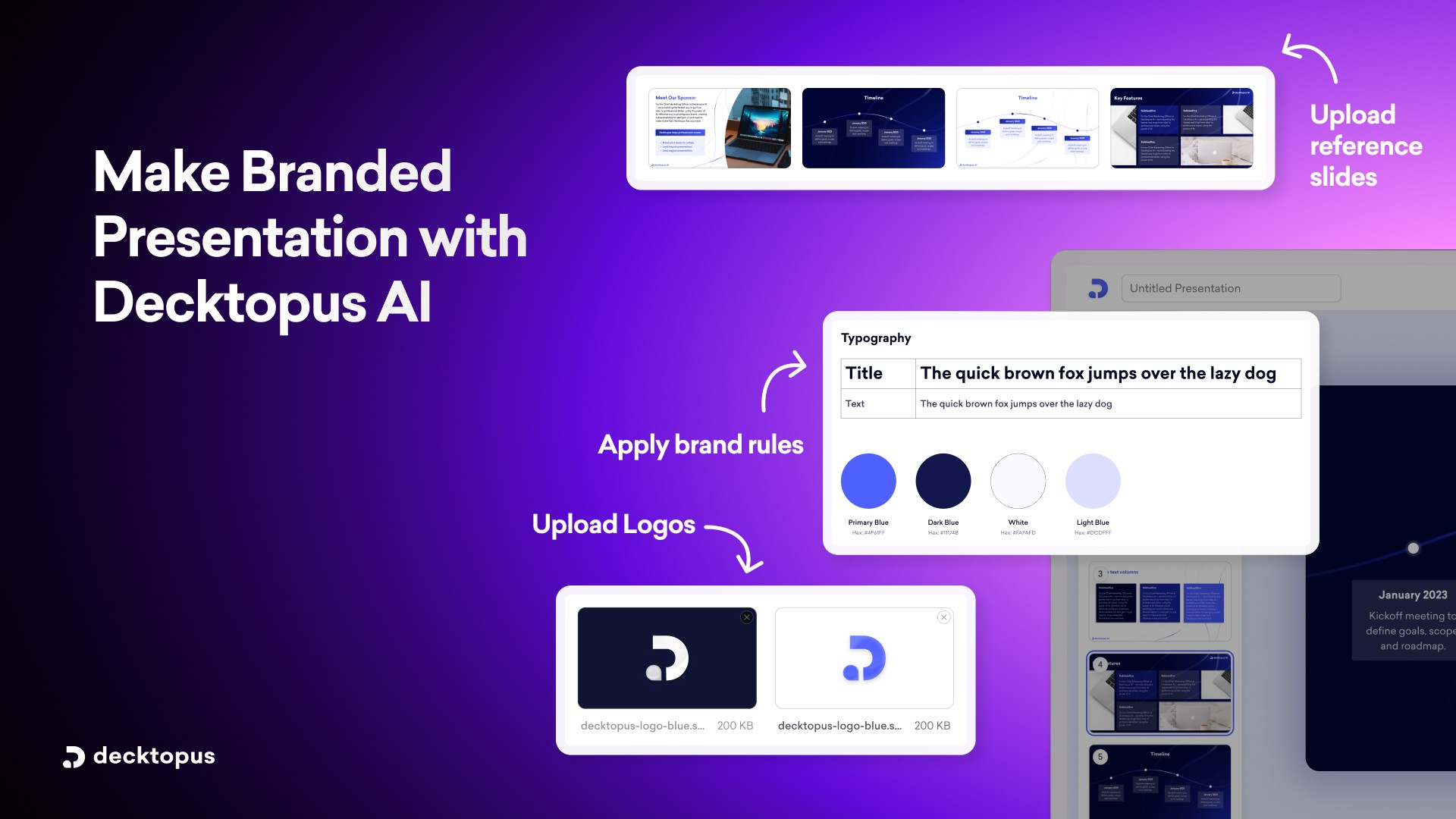
3. Review the outline. Decktopus generates a slide structure covering introduction, background, problem, analysis, solution, results, and conclusion. Adjust the order before the full deck is built.
4. Refine in the editor. Use the prompt bar with instructions like “make the results slide more visual,” “show the campaign metrics as a comparison chart,” or “tighten the introduction.” Brand Compliance keeps every slide on-brand.
5. Export or share. Download as PDF or PPT, share via link, or present directly.
For more on AI presentation workflows, see our guide on the best AI presentation tools.
Frequently Asked Questions
1) What is a marketing case study?
A marketing case study is a concise analysis of a business’s marketing strategy, showcasing its objectives, challenges, tactics, and outcomes. It offers practical insights into real-world marketing applications, serving as a valuable learning tool for understanding successful practices and lessons learned in achieving specific marketing goals.
2) What is a case study?
A case study, or case report, is a concise examination of a specific subject, often real-world situations or problems, providing detailed insights and analysis for learning or decision-making purposes.
3) How should you write a case study?
To create an impactful case study, define objectives, choose a relevant case, gather key information, and structure your findings into a clear narrative. Employ data analysis, offer actionable recommendations, validate findings, and consider broader implications. Once the analysis is complete, Decktopus turns your case study into a polished presentation in minutes.
4) What makes a case study effective?
The most effective case studies share three traits: specificity (real numbers, not vague claims), narrative structure (problem → solution → results), and visual clarity (charts and visuals that communicate at a glance). For more on what makes presentations work, see our guide on what makes for a good presentation.
5) How long should a case study be?
The written document is typically 2 to 6 pages depending on complexity. The presentation version is 10 to 15 slides. Anything longer suggests you haven’t prioritized what matters.
6) How do I present a case study to clients or stakeholders?
The fastest workflow: describe your case study in Decktopus, apply your brand from your website URL, and generate a slide deck covering the full narrative. Refine specific slides with prompts to match what your audience cares about most.
Related posts

How to Improve Communication Skills at Work (2026 Practical Guide)
The 5 workplace communication skills that matter most, the CLEAR framework, and the AI practice method that turns weak communicators into strong ones.
Business & Strategy

Job Interview Sample Questions: How to Practice Your Answers (2026)
The 20 most common interview questions, the STAR framework for answers, and the AI practice method that turns rehearsed responses into confident ones.
Business & Strategy

How to Negotiate a Raise: The Script, Practice Method & Tips That Actually Work
A step-by-step script for negotiating a raise, common mistakes to avoid, and the AI practice method that turns a nervous ask into a confident one.
Business & Strategy