Get 66% off →
Business & Strategy
Top Virtual Team-Building Activities to Boost Work Morale in 2026
Plan virtual team-building activities with an 8-step framework, fun ideas, an example scenario, and the best tools for remote teams.


Decktopus Content Team
What Are Virtual Team-Building Activities?
The 8-Step Virtual Team-Building Framework
Virtual Team-Building Ideas
Example Scenario: A Remote Tech Team
Tools for Virtual Team Building
Common Mistakes to Avoid
How to Build Your Virtual Team Event Deck with Decktopus AI
FAQ
Conclusion
Stay Connected
What Are Virtual Team-Building Activities?
Virtual team-building activities are online games, challenges, and social events that help remote and distributed teams connect, communicate, and trust each other. The main benefit: stronger relationships and morale, even when people never share an office.
Gallup's State of the Global Workplace report found that about one in five employees worldwide experienced loneliness a lot of the previous day. For remote teams, intentional connection matters even more.
[[EMBED:PGRpdiBzdHlsZT0iYmFja2dyb3VuZDpsaW5lYXItZ3JhZGllbnQoMTM1ZGVnLCM0ZjYxZmYsIzdDM0FFRCk7Ym9yZGVyLXJhZGl1czoxNnB4O3BhZGRpbmc6MzJweCAyOHB4O3RleHQtYWxpZ246Y2VudGVyO21hcmdpbjoyOHB4IDA7Y29sb3I6I2ZmZiI+PGRpdiBzdHlsZT0iZm9udC1zaXplOjIycHg7Zm9udC13ZWlnaHQ6NzAwO2xpbmUtaGVpZ2h0OjEuMzttYXJnaW4tYm90dG9tOjhweCI+Q3JlYXRlIHlvdXIgbmV4dCBwcmVzZW50YXRpb24gd2l0aCBBSTwvZGl2PjxkaXYgc3R5bGU9ImZvbnQtc2l6ZToxNXB4O2xpbmUtaGVpZ2h0OjEuNTtvcGFjaXR5Oi45MjttYXJnaW46MCBhdXRvIDIwcHg7bWF4LXdpZHRoOjUyMHB4Ij5UdXJuIGFueSB0b3BpYyBpbnRvIGEgcG9saXNoZWQsIG9uLWJyYW5kIGRlY2sgaW4gbWludXRlcyB3aXRoIERlY2t0b3B1cy48L2Rpdj48YSBocmVmPSJodHRwczovL3d3dy5kZWNrdG9wdXMuY29tLyIgdGFyZ2V0PSJfYmxhbmsiIHJlbD0ibm9vcGVuZXIiIHN0eWxlPSJkaXNwbGF5OmlubGluZS1ibG9jaztiYWNrZ3JvdW5kOiNmZmY7Y29sb3I6IzRmNjFmZjtwYWRkaW5nOjE0cHggMzJweDtib3JkZXItcmFkaXVzOjEwcHg7Zm9udC13ZWlnaHQ6NjAwO2ZvbnQtc2l6ZToxNXB4O3RleHQtZGVjb3JhdGlvbjpub25lIj5HZXQgc3RhcnRlZCB3aXRoIERlY2t0b3B1cyBBSTwvYT48L2Rpdj4=]]
In this guide, you will learn how to plan virtual team-building activities step by step, which ideas work best, and which tools help.

Virtual team building is now a strategic way to build culture and improve productivity in remote work. Whether your team is spread across time zones or working from home, these activities, like a scavenger hunt, create a collaborative environment that enhances communication and teamwork.
[[EMBED:PGRpdiBzdHlsZT0iYmFja2dyb3VuZDpsaW5lYXItZ3JhZGllbnQoMTM1ZGVnLCM0ZjYxZmYsIzdDM0FFRCk7Ym9yZGVyLXJhZGl1czoxNnB4O3BhZGRpbmc6MzJweCAyOHB4O3RleHQtYWxpZ246Y2VudGVyO21hcmdpbjoyOHB4IDA7Y29sb3I6I2ZmZiI+PGRpdiBzdHlsZT0iZm9udC1zaXplOjIycHg7Zm9udC13ZWlnaHQ6NzAwO2xpbmUtaGVpZ2h0OjEuMzttYXJnaW4tYm90dG9tOjhweCI+Q3JlYXRlIHlvdXIgbmV4dCBwcmVzZW50YXRpb24gd2l0aCBBSTwvZGl2PjxkaXYgc3R5bGU9ImZvbnQtc2l6ZToxNXB4O2xpbmUtaGVpZ2h0OjEuNTtvcGFjaXR5Oi45MjttYXJnaW46MCBhdXRvIDIwcHg7bWF4LXdpZHRoOjUyMHB4Ij5UdXJuIGFueSB0b3BpYyBpbnRvIGEgcG9saXNoZWQsIG9uLWJyYW5kIGRlY2sgaW4gbWludXRlcyB3aXRoIERlY2t0b3B1cy48L2Rpdj48YSBocmVmPSJodHRwczovL3d3dy5kZWNrdG9wdXMuY29tLyIgdGFyZ2V0PSJfYmxhbmsiIHJlbD0ibm9vcGVuZXIiIHN0eWxlPSJkaXNwbGF5OmlubGluZS1ibG9jaztiYWNrZ3JvdW5kOiNmZmY7Y29sb3I6IzRmNjFmZjtwYWRkaW5nOjE0cHggMzJweDtib3JkZXItcmFkaXVzOjEwcHg7Zm9udC13ZWlnaHQ6NjAwO2ZvbnQtc2l6ZToxNXB4O3RleHQtZGVjb3JhdGlvbjpub25lIj5HZXQgc3RhcnRlZCB3aXRoIERlY2t0b3B1cyBBSTwvYT48L2Rpdj4=]]
The 8-Step Virtual Team-Building Framework
Step 1: Define Your Objectives
Before diving into virtual team-building activities, decide what you want to achieve. You might want better communication, higher morale, or more creativity.
Align those goals with company priorities, such as faster delivery, happier clients, or better retention. Many technology executive search firms emphasize this connection between culture, engagement, and business outcomes when helping organizations attract and retain top talent.
Step 2: Assess Team Dynamics

Every team is unique. Consider team size, cultural diversity, time zones, and personalities when planning virtual team-building initiatives.
Short surveys or informal chats reveal what people would actually enjoy.

Make activities inclusive of different backgrounds, cultures, and working styles. Everyone should feel safe and welcome to take part.
Step 3: Choose the Right Activities

Icebreakers. Start meetings with fun questions or quick games to build rapport.
Collaborative challenges. Use virtual puzzles or tasks that require teamwork.
Virtual social events. Host coffee breaks, happy hours, or themed events.
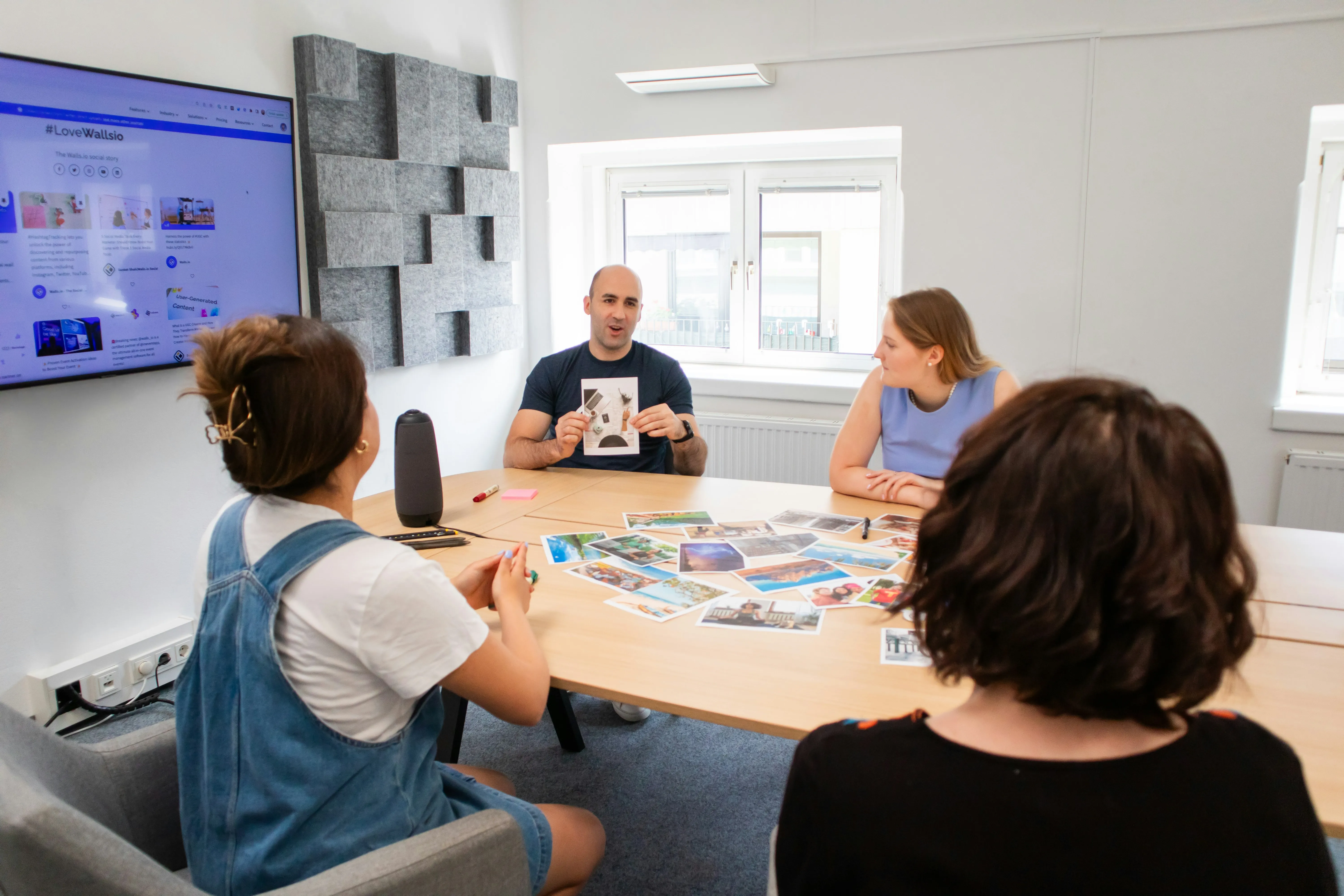
Match each activity to a goal. If you want better communication, choose activities that build active listening, clear sharing of ideas, and constructive feedback.
Step 4: Plan Logistics and Resources
Set a realistic budget and timeline, including platform costs and any facilitators. Schedule activities at times that work across time zones.
Choose the right platforms for video, chat, and visuals. Decktopus AI can help you create clear presentations for agendas, rules, and icebreaker questions.
Step 5: Communicate Clearly

Before the event, share the purpose, agenda, and how to join. Clear instructions reduce confusion and build excitement.
A short invitation deck works well. Include event details, goals, and instructions, plus fun images to set the tone.
Step 6: Facilitate Engaging Activities

Encourage everyone to share ideas and stories. Use breakout rooms for smaller group conversations and deeper connections.
For icebreakers, show slides with fun questions about hobbies, favorite places, or "two truths and a lie."
Step 7: Foster Collaboration and Team Spirit

Choose activities that require collective problem-solving, such as virtual escape rooms or online simulations.
For a virtual escape room, set the stage with an introduction slide and reveal clues one slide at a time. However, if you encounter a system has run out of application memory error during these activities, ensure to manage your computer's resources effectively by closing unnecessary programs and freeing up memory.
Step 8: Evaluate and Improve
After each activity, collect feedback through quick surveys or a short discussion. Use what you learn to make the next event better.
Step | Key Question | Output |
|---|---|---|
Objectives | What do we want to improve? | Clear goals |
Team dynamics | What will people enjoy? | Survey results |
Activities | Which activities fit our goals? | Activity shortlist |
Logistics | When, where, and how much? | Budget and schedule |
Communication | Does everyone know what to expect? | Invitation and agenda |
Facilitation | How do we keep people engaged? | Run-of-show plan |
Collaboration | How do we build team spirit? | Group challenges |
Evaluation | What should we change next time? | Feedback summary |
Virtual Team-Building Ideas
Virtual amazing race. Teams complete themed tasks and puzzles against the clock.
Alphabet challenges. Teams find or create something for each letter.
Workout or stretch breaks. Short shared sessions boost energy.
Storytelling sessions. People share experiences and perspectives to build empathy.
Campfire idea sessions. Relaxed brainstorming that sparks creativity.
Virtual escape rooms. Collaborative puzzle-solving under time pressure.
Presentation showdowns. Teams create a short fun deck and vote on the best one.
Trivia and quizzes. Light competition that gets everyone talking.
Idea | Best For | Time Needed |
|---|---|---|
Icebreaker questions | Starting meetings | 5 to 10 minutes |
Trivia | Fun and energy | 20 to 30 minutes |
Escape room | Problem-solving | 45 to 60 minutes |
Storytelling | Empathy and trust | 30 minutes |
Presentation showdown | Creativity | 45 to 60 minutes |
Virtual coffee break | Casual bonding | 15 minutes |
Example Scenario: A Remote Tech Team
Here is an illustrative example of how a fictional company, DEF Corporation, could use these steps. DEF is a tech solutions provider with teams spread across several countries.
Challenge. Despite good digital tools, the team faced communication gaps and low team spirit.
Goal. Improve collaboration, cohesion, and morale.
Approach:
Set goals. Better communication, stronger cohesion, and higher morale, aligned with company priorities.
Introduce activities. Choose remote-friendly activities and use a tool like Decktopus AI to prepare agendas and slides.
Improve communication. Schedule regular virtual meetings and brainstorming sessions.
Build trust. Run trust-building exercises and small collaborative projects.

Expected results:
Stronger sense of belonging
Clearer, more frequent communication
Positive feedback on engagement and job satisfaction
Lessons: Clear communication, engaging activities, and continuous improvement keep remote teams connected. For more ideas, explore the Decktopus AI blog.
Tools for Virtual Team Building
[[EMBED:PGRpdiBzdHlsZT0iYmFja2dyb3VuZDpsaW5lYXItZ3JhZGllbnQoMTM1ZGVnLCM0ZjYxZmYsIzdDM0FFRCk7Ym9yZGVyLXJhZGl1czoxNnB4O3BhZGRpbmc6MzJweCAyOHB4O3RleHQtYWxpZ246Y2VudGVyO21hcmdpbjoyOHB4IDA7Y29sb3I6I2ZmZiI+PGRpdiBzdHlsZT0iZm9udC1zaXplOjIycHg7Zm9udC13ZWlnaHQ6NzAwO2xpbmUtaGVpZ2h0OjEuMzttYXJnaW4tYm90dG9tOjhweCI+Q3JlYXRlIHlvdXIgbmV4dCBwcmVzZW50YXRpb24gd2l0aCBBSTwvZGl2PjxkaXYgc3R5bGU9ImZvbnQtc2l6ZToxNXB4O2xpbmUtaGVpZ2h0OjEuNTtvcGFjaXR5Oi45MjttYXJnaW46MCBhdXRvIDIwcHg7bWF4LXdpZHRoOjUyMHB4Ij5UdXJuIGFueSB0b3BpYyBpbnRvIGEgcG9saXNoZWQsIG9uLWJyYW5kIGRlY2sgaW4gbWludXRlcyB3aXRoIERlY2t0b3B1cy48L2Rpdj48YSBocmVmPSJodHRwczovL3d3dy5kZWNrdG9wdXMuY29tLyIgdGFyZ2V0PSJfYmxhbmsiIHJlbD0ibm9vcGVuZXIiIHN0eWxlPSJkaXNwbGF5OmlubGluZS1ibG9jaztiYWNrZ3JvdW5kOiNmZmY7Y29sb3I6IzRmNjFmZjtwYWRkaW5nOjE0cHggMzJweDtib3JkZXItcmFkaXVzOjEwcHg7Zm9udC13ZWlnaHQ6NjAwO2ZvbnQtc2l6ZToxNXB4O3RleHQtZGVjb3JhdGlvbjpub25lIj5HZXQgc3RhcnRlZCB3aXRoIERlY2t0b3B1cyBBSTwvYT48L2Rpdj4=]]
1. Decktopus AI: Presentations for Team Events
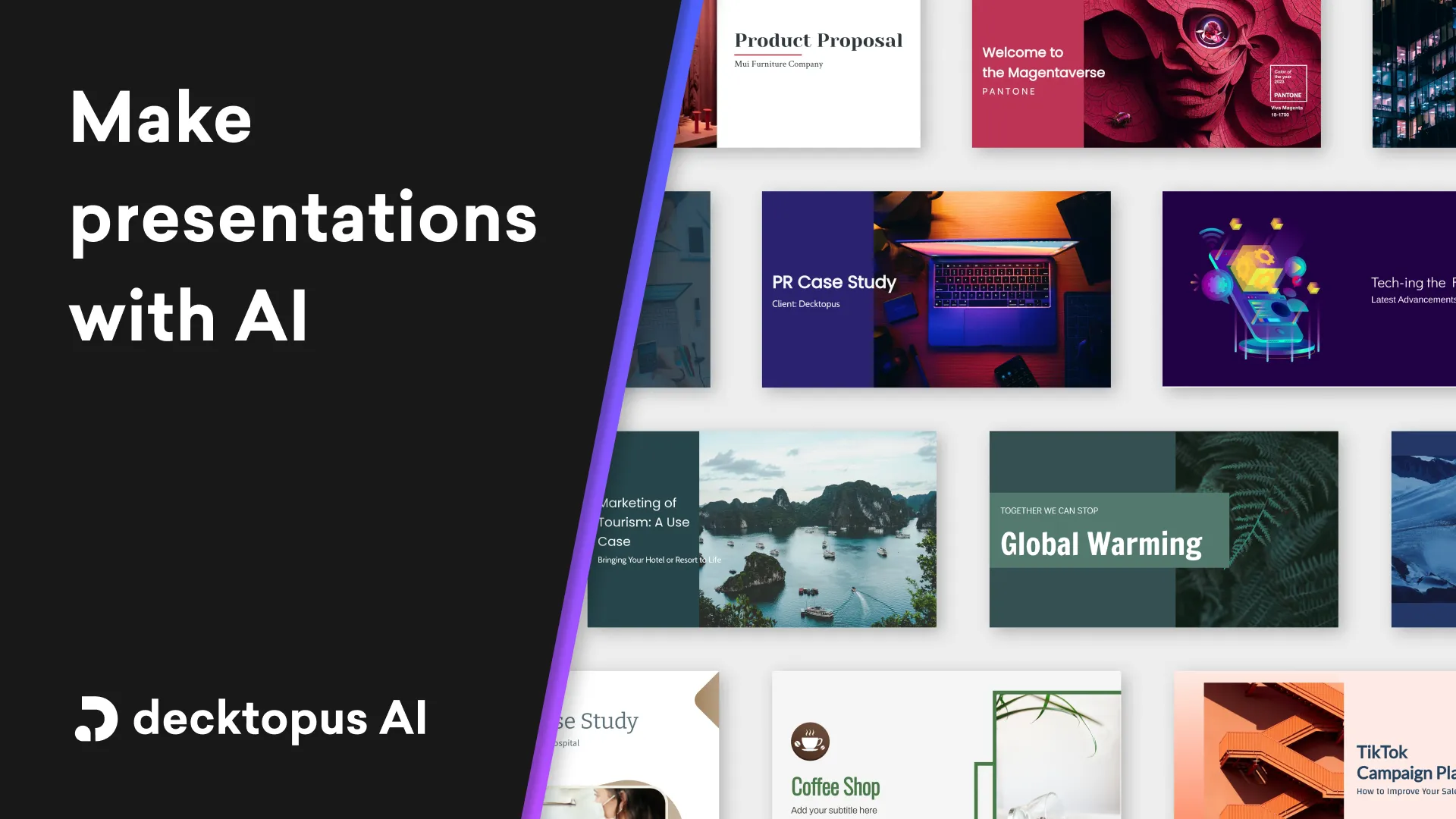
Decktopus AI is an AI presentation platform that turns a short prompt into a complete, designed deck. It is useful for agendas, icebreaker slides, game rules, and recaps.
Fast creation. Generate a full event deck in minutes.
AI images. Create playful custom visuals for every slide.

Easy to use. People of any skill level can build polished decks with Decktopus AI.
Team Collaboration (Business plan). Give teammates shared deck access. It is access only, not real-time co-editing.
Present anywhere. Share your screen on Zoom or Teams using Presentation Mode, or send a live link.
[[EMBED:PGlmcmFtZSBzcmM9Imh0dHBzOi8vd3d3LnlvdXR1YmUuY29tL2VtYmVkLzBBZXBfbk1hSzY4cVI5MmsiIHRpdGxlPSJZb3VUdWJlIHZpZGVvIiBmcmFtZWJvcmRlcj0iMCIgYWxsb3c9ImFjY2VsZXJvbWV0ZXI7YXV0b3BsYXk7Y2xpcGJvYXJkLXdyaXRlO2VuY3J5cHRlZC1tZWRpYTtneXJvc2NvcGU7cGljdHVyZS1pbi1waWN0dXJlIiBhbGxvd2Z1bGxzY3JlZW4gc3R5bGU9IndpZHRoOjEwMCU7YXNwZWN0LXJhdGlvOjE2Lzk7Ym9yZGVyOjA7Ym9yZGVyLXJhZGl1czoxMnB4O21hcmdpbjo4cHggMCI+PC9pZnJhbWU+]]
Decktopus AI does not include in-slide polls, quizzes, or integrations with Zoom or Slack. Use those tools alongside your deck.
2. Zoom
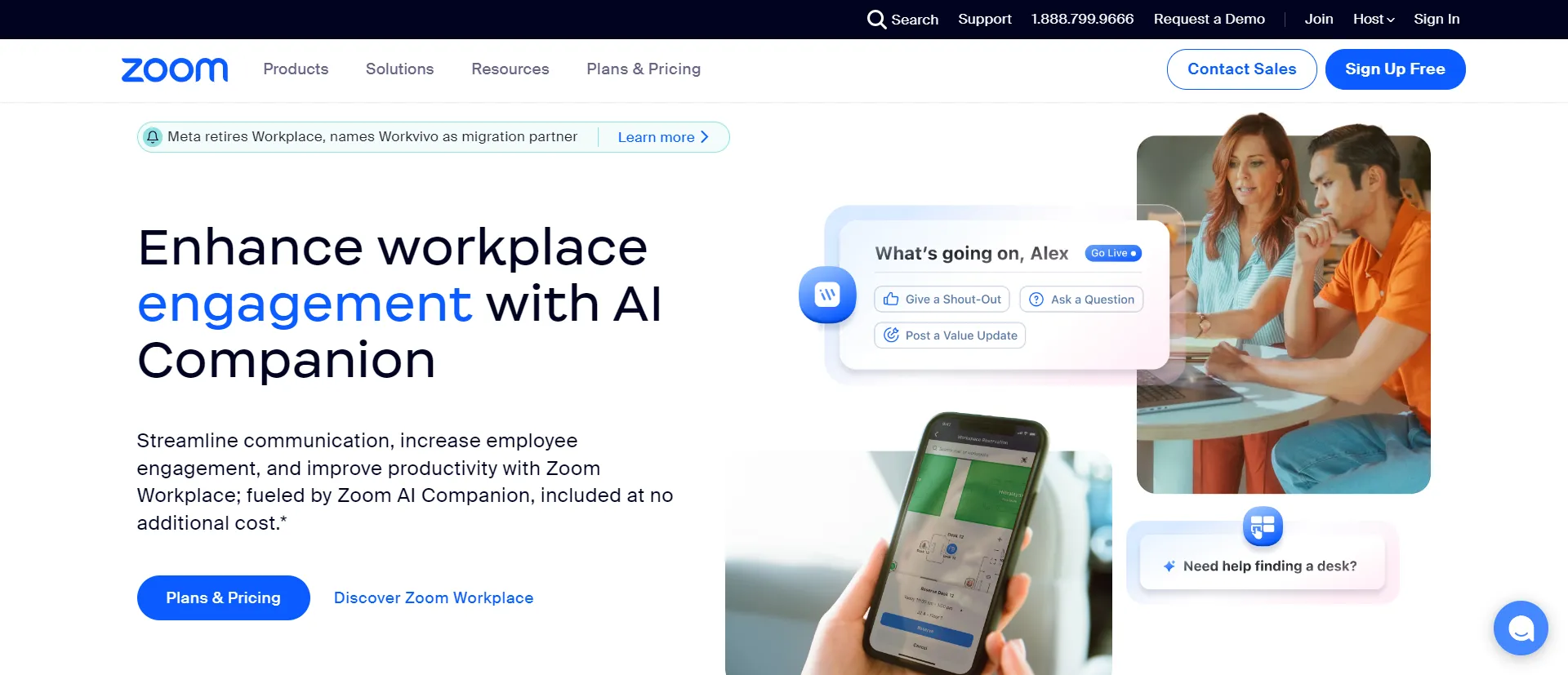
Zoom offers video calls, breakout rooms, chat, polls, and reactions. It is a reliable home for most virtual team events.
3. Miro
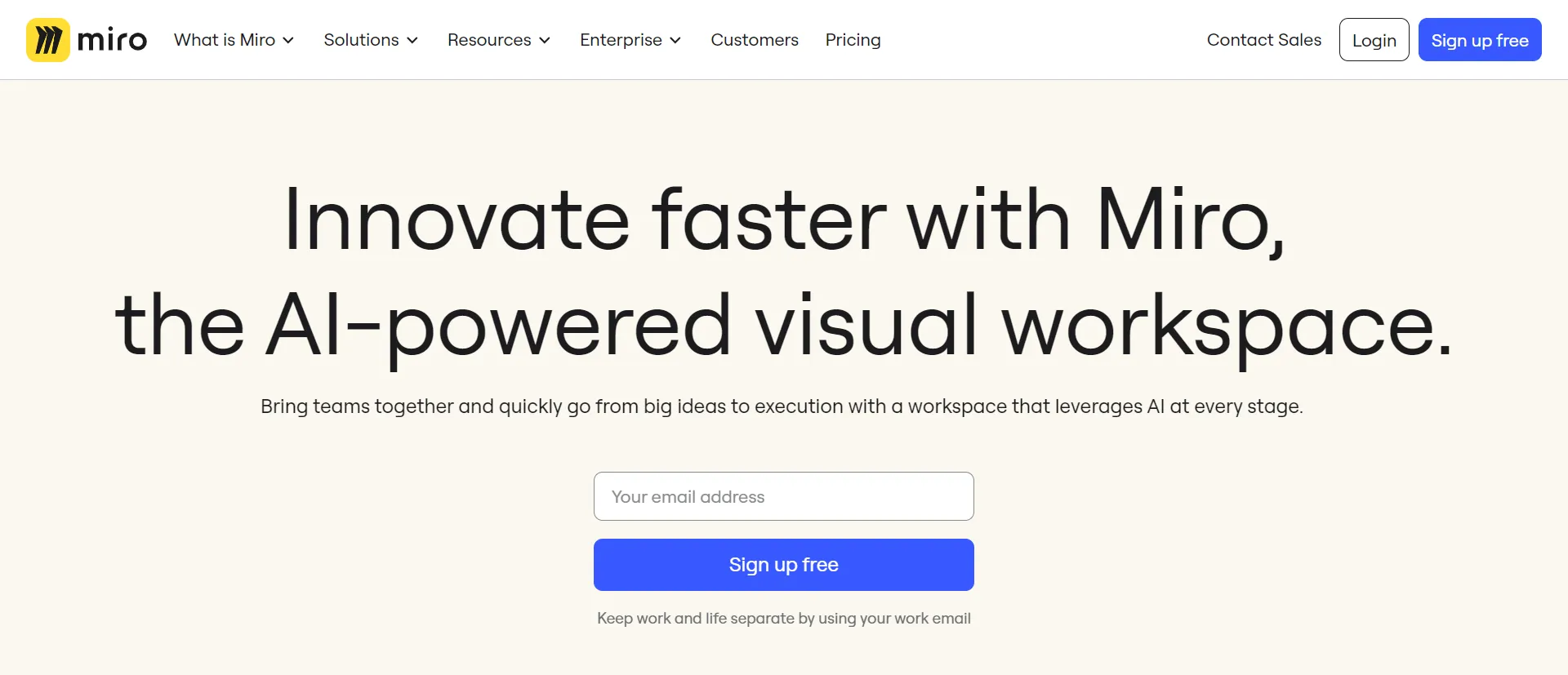
Miro is an online whiteboard for brainstorming, mind mapping, and visual collaboration in real time.
4. Slack

Slack organizes team conversations into channels and supports file sharing. It is great for ongoing social channels and quick team games.
Team-Building Games for Virtual Teams
[[EMBED:PGlmcmFtZSBzcmM9Imh0dHBzOi8vd3d3LnlvdXR1YmUuY29tL2VtYmVkL2N1UmlvQUlmZ2JOSGFPRjYiIHRpdGxlPSJZb3VUdWJlIHZpZGVvIiBmcmFtZWJvcmRlcj0iMCIgYWxsb3c9ImFjY2VsZXJvbWV0ZXI7YXV0b3BsYXk7Y2xpcGJvYXJkLXdyaXRlO2VuY3J5cHRlZC1tZWRpYTtneXJvc2NvcGU7cGljdHVyZS1pbi1waWN0dXJlIiBhbGxvd2Z1bGxzY3JlZW4gc3R5bGU9IndpZHRoOjEwMCU7YXNwZWN0LXJhdGlvOjE2Lzk7Ym9yZGVyOjA7Ym9yZGVyLXJhZGl1czoxMnB4O21hcmdpbjo4cHggMCI+PC9pZnJhbWU+]]
5. Kahoot!
Kahoot! lets you create live quizzes and games. It is a favorite for fun, competitive team sessions.
6. Trello
Trello organizes tasks with boards, lists, and cards. It helps teams plan events and track action items.
Tool | Best For |
|---|---|
Decktopus AI | Event agendas, icebreaker slides, recaps |
Zoom | Video calls and breakout rooms |
Miro | Visual brainstorming |
Slack | Ongoing team chat |
Kahoot! | Live quizzes and games |
Trello | Planning and task tracking |
Common Mistakes to Avoid
Mandatory fun. Invite people rather than forcing participation.
Ignoring time zones. Rotate times or record sessions.
Sessions that run too long. Keep most activities under an hour.
One format for everyone. Mix quiet and lively activities.
No follow-up. Ask for feedback and improve.
Technical surprises. Test tools and links beforehand.
How to Build Your Virtual Team Event Deck with Decktopus AI

A simple deck keeps virtual events organized and fun. Decktopus AI builds it for you in minutes.
AI Presentation Generation. Type "Virtual team-building event agenda with icebreakers, a trivia round, and a closing reflection" and get a full deck.
Reviewable AI outline. Add a slide for each activity before generating.
Edit with AI. Ask for changes like "Add five fun icebreaker questions."
Live links. Share the deck before the event so everyone knows the plan.
Task | Traditional Tools | Decktopus AI |
|---|---|---|
Event agenda deck | Hours of formatting | Minutes from a prompt |
Fun visuals | Search stock photos | AI image generation |
Sharing the plan | Email attachments | Live link |
Who This Is For
Founders connecting remote teams
Customer success teams running team offsites
Marketers planning creative team events
Agencies bonding distributed teams
Step-by-Step: Build Your Event Deck
Describe your topic. Type something like "Virtual team-building session for a remote team of 20 with icebreakers, a trivia round, and a team challenge." Or upload your notes or files with the paperclip icon, and use Beautify to Use as a Resource (prompt required) or Redesign.
Choose your style. Pick a saved brand or style, import your brand from your website URL, or create a new style from a Minimal, Bold, or Dark base (or Let AI pick).
Review the AI-generated outline. Edit, reorder, duplicate, or delete slide cards, and use Adjust to change your style.
Generate the full presentation. Approve the outline and get the complete deck with content, layout, and design.
Refine with Edit with AI or Edit Text. Try "Add a slide with rules for each game," "Add ten trivia questions about our company," or "Add a closing slide thanking the team." Preview and undo, use Edit Text for manual edits (5 credits per edit), and restore any past version.
Add images. Generate AI images, upload photos, or search Unsplash and Freepik.
Rehearse with Loop AI Delivery Coach. Work through The Profiler, The Architect, The Red Team, and The Mirror.
Export or share. Export to PDF, PPT, or PNG, share a live link, embed it, or present in Presentation Mode. Business plan users can add a custom domain. Turn on the email gate and track engagement with Deck Analytics.

Whether you are planning a workshop, a team-building session, or a client pitch, Decktopus AI helps you present with confidence.
Log in to Decktopus AI to build your first event deck, or create an account at Decktopus AI if you are new.
FAQ
What are virtual team-building activities?
Online games, challenges, and social events that help remote teams connect and collaborate.
What are good virtual team-building activities?
Icebreakers, trivia, virtual escape rooms, storytelling sessions, and presentation showdowns.
How often should remote teams do team building?
Short activities weekly and a larger event every month or quarter work well for many teams.
How do I make virtual team building inclusive?
Consider time zones, cultures, and personalities, and offer different ways to take part.
What tools are best for virtual team building?
Zoom, Miro, Slack, Kahoot!, Trello, and Decktopus AI for event slides.
How long should a virtual team-building activity be?
Most work best between 15 and 60 minutes.
How do I keep people engaged online?
Use breakout rooms, keep sessions short, and give everyone a role.
What are quick virtual icebreakers?
Fun questions, "two truths and a lie," or sharing a photo of something meaningful.
How do I measure team-building success?
Use quick surveys, engagement scores, and observations of collaboration.
Can presentations help with virtual team building?
Yes. Slides keep agendas clear and power games like trivia and presentation showdowns.
Does Decktopus AI have polls or quizzes?
No. Use tools like Zoom polls or Kahoot! alongside your Decktopus AI deck.
How do I plan a virtual team-building event?
Set goals, learn your team's preferences, choose activities, plan logistics, communicate clearly, and gather feedback.
Conclusion
Virtual team building helps remote teams stay connected, motivated, and productive. With clear goals and the right activities, distance becomes much less of a barrier.
Use the 8-Step Virtual Team-Building Framework, mix different activity types, and avoid the common mistakes. Then keep improving based on feedback.
When you need slides for your next team event, get started with Decktopus AI.
Stay Connected
Follow Decktopus AI for more team-building and remote work tips:
Related posts

How to Improve Communication Skills at Work (2026 Practical Guide)
The 5 workplace communication skills that matter most, the CLEAR framework, and the AI practice method that turns weak communicators into strong ones.
Business & Strategy

Job Interview Sample Questions: How to Practice Your Answers (2026)
The 20 most common interview questions, the STAR framework for answers, and the AI practice method that turns rehearsed responses into confident ones.
Business & Strategy

How to Negotiate a Raise: The Script, Practice Method & Tips That Actually Work
A step-by-step script for negotiating a raise, common mistakes to avoid, and the AI practice method that turns a nervous ask into a confident one.
Business & Strategy