Presentations
5 Great Public Speakers and the Techniques That Made Them Memorable
Some people are born great public speakers. Some educate themselves and keep training to get better. Some educate themselves and keep training to get better. But, one thing is for sure: everyone can learn from the astonishing examples of historically renowned speakers.


İlayda Tunaboylu
Great public speakers are communicators who make one valuable idea easy to understand, remember, and use. Their main advantage is deliberate choice. They shape the opening, language, structure, stories, voice, visuals, questions, and ending around the audience rather than relying on confidence or personality alone.
TED recommends talks of 18 minutes or less because the format is long enough for a meaningful idea but short enough to protect audience attention. The official TED guidance illustrates a habit shared by strong speakers: they use limits to sharpen the message.
The best public-speaking techniques are learnable. Study the choice behind the performance, practice it in a small setting, and review the result.
If you want to improve the fundamentals first, explore these public speaking tips for delivering the perfect presentation.
Before looking at the techniques individually, watch this overview of exceptional public speakers and how their communication made an impact.
What Makes a Great Public Speaker?
There is no single speaking style that works for everyone.
Some memorable speakers are energetic. Others are calm. Some rely heavily on storytelling, while others use rhythm, repetition, evidence, or simplicity.
What they tend to have in common is intentional communication.
A great public speaker knows the central idea they want the audience to remember. They understand who is listening. They structure the speech around that audience. And they use their voice, body language, stories, examples, and pauses to make the message easier to follow.
These skills are also useful far beyond formal speeches. Improving your communication skills at work can make meetings, pitches, presentations, and everyday conversations clearer.
Most importantly, strong speakers practice.
Confidence on stage often looks natural from the audience, but effective delivery is usually the result of preparation, rehearsal, and refinement.
If confidence is the biggest obstacle, start with practical strategies for building confidence when speaking in public.
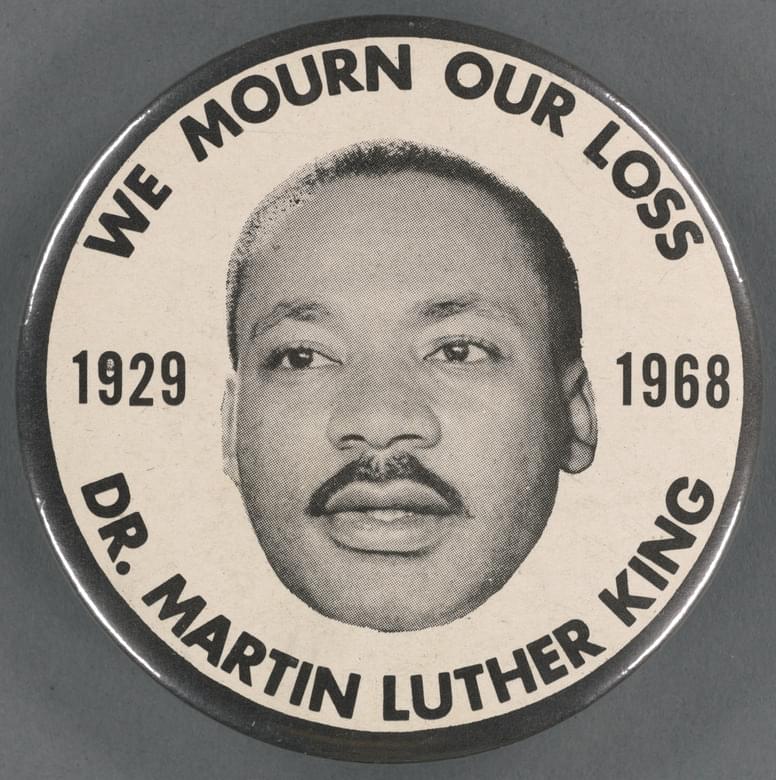
5. Martin Luther King Jr.: Use Rhythm and Repetition to Make Ideas Memorable
Martin Luther King Jr. remains one of the most widely studied public speakers because his speeches combined a powerful message with highly intentional delivery.
His 1963 “I Have a Dream” speech is a strong example of how repetition can turn an idea into something an audience remembers.
King repeatedly returned to key phrases and images. This gave the speech rhythm and made its central message easier to follow.
But repetition alone was not what made his delivery powerful.
He changed his pace. He allowed important ideas to breathe. His voice became stronger at emotional peaks and more controlled during transitions. The structure and delivery worked together.
What You Can Learn From Martin Luther King Jr.
Choose one central message and reinforce it throughout your presentation.
Instead of introducing a completely new idea every minute, return to the main point using different examples, stories, or phrases.
You can also use repetition intentionally. A repeated phrase at key moments can connect different parts of a presentation and make your conclusion more memorable.
Strong openings matter too. The first moments establish why the audience should keep listening. These presentation opening techniques and hooks can help you capture attention intentionally.
The lesson is not to copy King's speaking style. It is to recognize how rhythm, repetition, and structure can make an important message easier to remember.
4. Jane Goodall: Turn Information Into Stories
Jane Goodall spent decades communicating scientific research, conservation issues, and environmental ideas to audiences around the world.
One reason her public speaking stood out was her ability to transform complex information into stories.
Rather than communicating only through statistics or scientific terminology, Goodall often brought audiences into the world she had experienced.
She used observations, personal experiences, changes in tone, and memorable details to make abstract issues feel tangible.
That is an important lesson for anyone presenting complicated information.
An audience may forget individual facts. They are much more likely to remember what those facts meant.

What You Can Learn From Jane Goodall
When presenting data, research, or technical information, do not stop at the information itself.
Give the audience context.
Explain who the information affects. Show what changed. Describe a real situation. Connect the number to something people can visualize.
A simple structure works well:
Explain the situation → show the evidence → explain why it matters → tell the audience what should happen next.
This approach is especially useful when you need to deliver a memorable technical presentation without overwhelming your audience with information.
Storytelling does not mean replacing evidence with emotion. It means giving evidence a structure people can understand and remember.
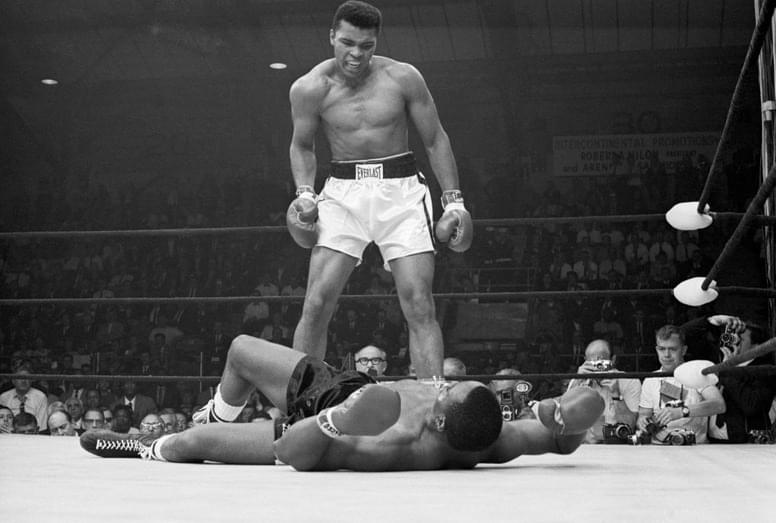
3. Muhammad Ali: Let Personality Support the Message
Muhammad Ali was known primarily as one of the greatest boxers in history, but he was also an unusually memorable communicator.
His interviews, speeches, and public appearances were full of rhythm, confidence, humor, repetition, and personality.
Ali rarely sounded like he was delivering language written for somebody else.
That authenticity made his words recognizable.
His communication also demonstrates an important principle of public speaking: audiences respond to the person delivering the message, not only to the words themselves.
What You Can Learn From Muhammad Ali
Do not remove all personality from your presentation in an attempt to sound professional.
If you naturally use humor, use it carefully.
If you are naturally calm, you do not need to become an energetic motivational speaker.
If you tell stories well, use them.
The objective is not to perform a different personality on stage. It is to create the clearest and most confident version of your normal communication style.
Pay attention to rhythm as well.
Varying your pace and placing short pauses around important ideas can give even simple sentences more impact.
This is something you can only improve by speaking out loud. A structured approach to practicing public speaking alone can help you identify where your delivery feels natural and where it still sounds rehearsed.
2. Malala Yousafzai: Speak With a Clear Purpose
Malala Yousafzai's public speaking demonstrates how powerful a clear purpose can be.
Her speeches are rarely built around unnecessarily complicated language. The message is usually easy to identify, and the delivery supports that clarity.
She combines personal experience with a larger argument, allowing audiences to understand both the individual story and the broader issue behind it.
Her delivery is also a reminder that a speaker does not need to be loud to sound confident.
A controlled pace, clear wording, deliberate gestures, and a strong understanding of why the message matters can create authority without exaggerated performance.

What You Can Learn From Malala Yousafzai
Before building your presentation, try completing this sentence:
When this presentation ends, I want my audience to believe, understand, or do ______.
If you cannot fill in that blank clearly, your presentation probably needs a stronger objective.
Every major section should support that objective.
Anything that does not help the audience understand your central point can usually be shortened, moved, or removed.
Purpose makes presentation decisions easier.
If you are starting from scratch, this Presentation 101 guide can help you turn a central idea into a simple presentation structure.
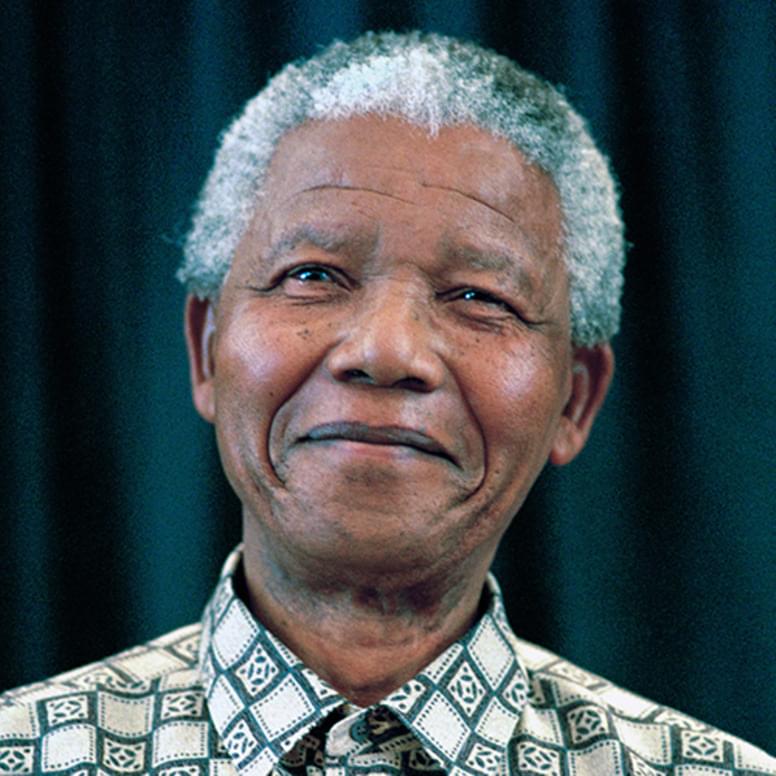
1. Nelson Mandela: Use Calmness and Clarity to Build Authority
Nelson Mandela's speeches often addressed subjects carrying enormous political, social, and personal weight.
Yet his effectiveness did not depend on constantly increasing his volume or emotional intensity.
Much of his authority came from control.
He used measured language, clear arguments, deliberate pacing, and a strong sense of purpose.
That combination is particularly relevant to modern business communication.
Executives, founders, salespeople, consultants, and team leaders often present in situations where credibility matters more than theatrical performance.
What You Can Learn From Nelson Mandela
Do not confuse confidence with speed or volume.
Slowing down before an important statement can make it stronger.
A short pause can create emphasis without adding another sentence.
And when discussing difficult subjects, simple language is often more persuasive than overly complicated language.
Calm communication can signal that you understand your argument well enough not to rush it.
Your ending deserves the same attention as your opening. Instead of finishing with a weak “thank you” slide, learn how to end a presentation with impact so the audience leaves with a clear final message.
What These Great Public Speakers Have in Common
The five speakers above had very different personalities, audiences, circumstances, and speaking styles.
That is exactly why they are useful examples.
There is no single formula for becoming a great public speaker.
Martin Luther King Jr. demonstrates repetition and rhythm.
Jane Goodall demonstrates storytelling.
Muhammad Ali demonstrates personality and presence.
Malala Yousafzai demonstrates purpose and clarity.
Nelson Mandela demonstrates control and authority.
The goal is not to imitate any of them.
The goal is to understand the technique behind what worked and then adapt it to your own way of communicating.
Many of the same principles appear in memorable TED-style presentations. For a deeper breakdown, see how to give a TED Talk and learn from the best speakers.
How to Apply These Public Speaking Techniques
Studying great speakers is useful, but improvement comes from applying their techniques to your own presentations.
Start with your message before worrying about your delivery.
Decide what you want the audience to remember. Then build a clear structure around that idea.
Next, look for places where a story, example, repeated phrase, pause, or change in pace could make the message easier to understand.
Your slides should support that message rather than compete with it.
These presentation tips for planning, designing, and delivering better presentations can help you improve the complete presentation experience instead of focusing only on speaking.
You can also involve the audience rather than treating the presentation as a one-way conversation.
Questions, prompts, participation, and other interactive presentation techniques can make important ideas easier to remember.
Watch: 4 Tips to Improve Your Public Speaking
Studying great speakers gives you examples. The next step is putting the lessons into practice.
This video covers four practical ways to make your public speaking more engaging and help you hold your audience's attention.
Video:
https://www.youtube.com/watch?v=962eYqe--Yc
Finally, say your presentation out loud.
Reading your slides silently is not the same as rehearsing them.
You will notice awkward transitions, sentences that are too long, sections where you rush, and ideas that sound much less clear when spoken than they appeared on the page.
This is where improvement happens.
Practice Your Presentation With AI
Studying great public speakers gives you techniques.
Rehearsal turns those techniques into skills.
Decktopus AI can help you create the presentation itself, while Loop AI Presentation Coach helps you prepare to deliver it.
Instead of practicing only in your head, you can rehearse out loud, work on the structure of your story, prepare for difficult audience questions, and get feedback on how you deliver your message.
A simple workflow looks like this:
Build the presentation → rehearse it → identify weak points → refine → practice again.
Great public speakers rarely become great because of one perfect performance.
They improve through repetition.
Practice your next presentation with Loop AI Presentation Coach.
Frequently Asked Questions About Great Public Speakers
Who Is Considered a Great Public Speaker?
There is no objective ranking of the world's best public speakers.
Well-known examples include Martin Luther King Jr., Nelson Mandela, Malala Yousafzai, Jane Goodall, and Muhammad Ali.
Each demonstrates different communication strengths, including storytelling, repetition, presence, clarity, audience connection, and controlled delivery.
What Are the Qualities of a Good Public Speaker?
Strong public speakers usually:
Communicate one clear central message
Understand their audience
Organize ideas logically
Use stories and examples
Control their speaking pace
Use vocal variety
Make intentional eye contact and gestures
Pause at important moments
Practice before presenting
Adapt based on audience reactions
You do not need to master all of these skills immediately.
Improving one area at a time can significantly change how your presentations feel to an audience.
Can Public Speaking Be Learned?
Yes.
Public speaking is a combination of learnable skills, including storytelling, presentation structure, pacing, body language, vocal delivery, audience awareness, and handling questions.
Regular practice is one of the most important parts of improving.
How Can I Become a Better Public Speaker?
Start by improving one area at a time.
Rehearse your presentation out loud rather than only reading it silently.
Pay attention to where you rush, where your message becomes unclear, and where additional pauses would help.
You can also record yourself presenting and review the recording afterward.
Then practice answering questions your audience is likely to ask.
Who Is the Best Public Speaker of All Time?
There is no single answer because great public speaking depends on the audience, purpose, historical context, and speaking style.
Martin Luther King Jr. is frequently studied for rhythm and repetition, while speakers such as Nelson Mandela are remembered for authority and controlled delivery.
Instead of trying to identify one “best” speaker, it is more useful to study different speakers and understand why their techniques worked.
What Makes a Speech Memorable?
Memorable speeches usually combine a clear message with effective delivery.
Storytelling, repetition, contrast, emotion, examples, strong openings, memorable conclusions, and intentional pauses can all help an audience retain the central idea.
The most important question is simple:
What should the audience still remember after the presentation is over?
Become the Speaker Your Presentation Deserves
A polished presentation helps communicate your ideas, but slides cannot replace strong delivery.
The most memorable public speakers combine a clear message with preparation, storytelling, deliberate delivery, and repeated practice.
You do not need to speak exactly like Martin Luther King Jr., Jane Goodall, Muhammad Ali, Malala Yousafzai, or Nelson Mandela.
Instead, study what each speaker did well.
Take the techniques that fit your communication style.
Then practice until they feel natural.
Create a clear presentation with Decktopus AI, rehearse it with Loop, refine the weak points, and walk into your next presentation knowing exactly what you want your audience to remember.
Because the best presentation is not simply the one that looks finished.
It is the one you are ready to deliver.
Related posts

Webinar Follow-Up Emails: The Sequence That Runs After the Deck Ends
Learn how to build a webinar follow-up email sequence with behavioral segmentation, timely emails, better deliverability, and personalized outreach.
Presentations

Best TED Talks to Improve Your Presentation Skills
Watch ten of the best TED talks for presentation skills and use a practical exercise from each to improve structure, voice, visuals, and confidence.
Presentations

Decktopus AI Best Practices: The Complete Guide, Tips and Tricks (2026)
A complete guide to using Decktopus AI effectively, from writing better prompts and reviewing outlines to rehearsing with Loop and building carousels.
Presentations