Templates & How-to
Top 10 Best Portfolio Builders for Designers: Your Go-To Guide
Learn the difference between portfolio websites and portfolio decks, the 7-factor framework for choosing the right builder, and honest reviews of 10 top platforms designers actually use.

Decktopus Content Team
What Is a Portfolio Website Builder?
A portfolio website builder is a platform designed to help creative professionals (designers, illustrators, photographers, writers, architects) create and manage an online portfolio without needing to code or manually design a full website. These platforms combine templates, drag-and-drop editors, hosting, and often domain management into one interface. The goal is to remove the technical barrier so creatives can spend their time on work, not on web development.
The global freelance creative economy has surpassed $1 trillion in value, with design remaining one of its largest segments. According to research on hiring behavior, recruiters and creative directors typically spend just 30 to 90 seconds reviewing a portfolio before making a hire-or-skip decision. That short window is why format, first-impression design, and clarity matter more than volume. The right builder can make the difference between a portfolio that lands the job and one that gets skipped.
For more on portfolio content, see our guides on portfolio examples and the best portfolio maker.
Portfolio Website vs. Portfolio Deck: Understanding the Two Formats
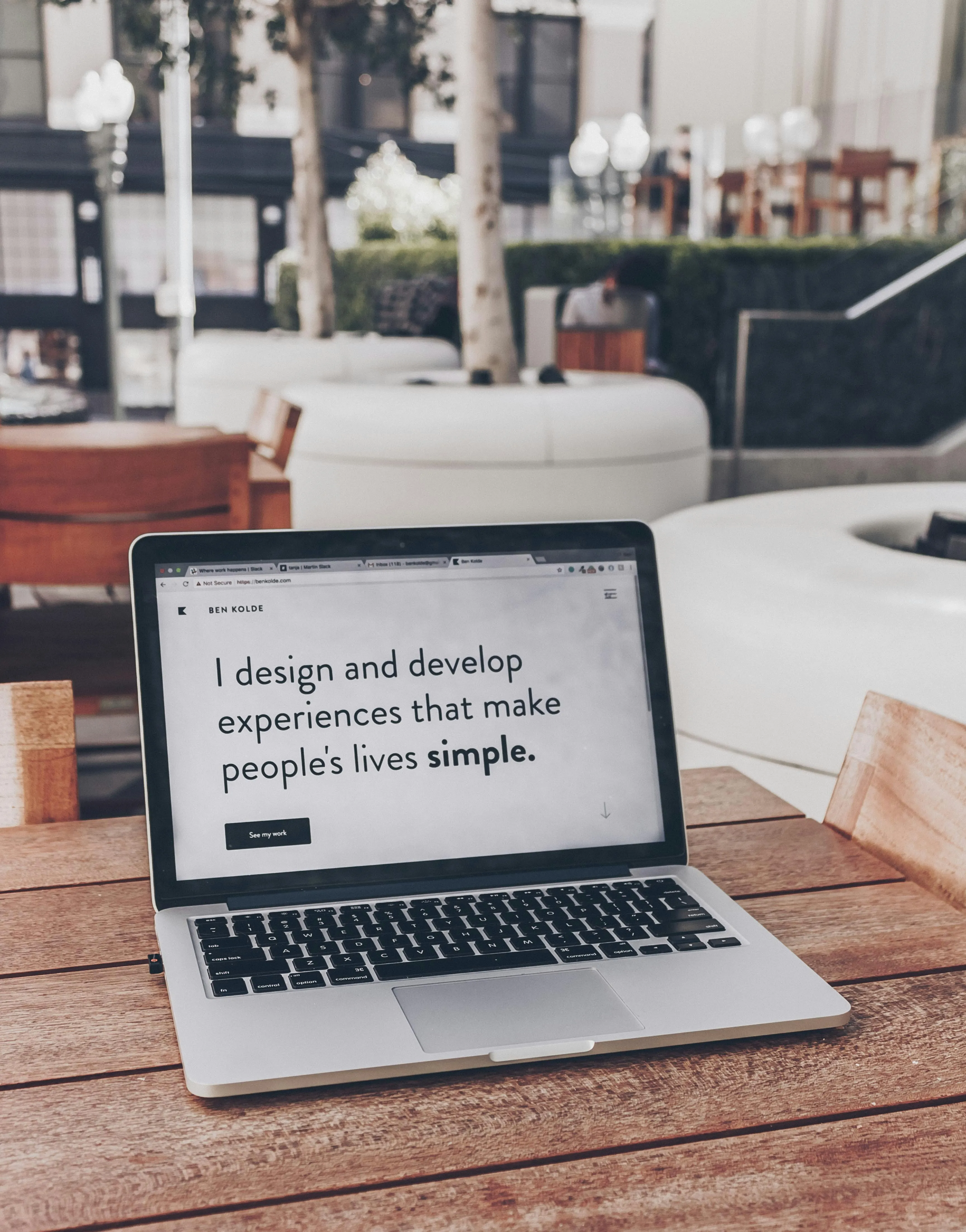
Before comparing builders, it’s worth understanding that “portfolio” now means two different things depending on context.
[[EMBED:PGRpdiBzdHlsZT0ib3ZlcmZsb3cteDphdXRvO21hcmdpbjoyMHB4IDAiPjx0YWJsZSBzdHlsZT0id2lkdGg6MTAwJTtib3JkZXItY29sbGFwc2U6Y29sbGFwc2U7Zm9udC1zaXplOjE1cHg7bWFyZ2luOjhweCAwIj48dGggc3R5bGU9ImJvcmRlcjoxcHggc29saWQgI2UzZTZlYTtwYWRkaW5nOjEwcHggMTRweDt0ZXh0LWFsaWduOmxlZnQ7YmFja2dyb3VuZDojZjRmNmY4O2ZvbnQtd2VpZ2h0OjYwMCI+PHRyPjx0aCBzdHlsZT0iYm9yZGVyOjFweCBzb2xpZCAjZTNlNmVhO3BhZGRpbmc6MTBweCAxNHB4O3RleHQtYWxpZ246bGVmdDtiYWNrZ3JvdW5kOiNmNGY2Zjg7Zm9udC13ZWlnaHQ6NjAwIj5Gb3JtYXQ8L3RoPjx0aCBzdHlsZT0iYm9yZGVyOjFweCBzb2xpZCAjZTNlNmVhO3BhZGRpbmc6MTBweCAxNHB4O3RleHQtYWxpZ246bGVmdDtiYWNrZ3JvdW5kOiNmNGY2Zjg7Zm9udC13ZWlnaHQ6NjAwIj5Qb3J0Zm9saW8gV2Vic2l0ZTwvdGg+PHRoIHN0eWxlPSJib3JkZXI6MXB4IHNvbGlkICNlM2U2ZWE7cGFkZGluZzoxMHB4IDE0cHg7dGV4dC1hbGlnbjpsZWZ0O2JhY2tncm91bmQ6I2Y0ZjZmODtmb250LXdlaWdodDo2MDAiPlBvcnRmb2xpbyBEZWNrPC90aD48L3RyPjwvdGhlYWQ+PHRib2R5Pjx0cj48dGQgc3R5bGU9ImJvcmRlcjoxcHggc29saWQgI2UzZTZlYTtwYWRkaW5nOjEwcHggMTRweDt0ZXh0LWFsaWduOmxlZnQ7dmVydGljYWwtYWxpZ246dG9wIj5QcmltYXJ5IHB1cnBvc2U8L3RkPjx0ZCBzdHlsZT0iYm9yZGVyOjFweCBzb2xpZCAjZTNlNmVhO3BhZGRpbmc6MTBweCAxNHB4O3RleHQtYWxpZ246bGVmdDt2ZXJ0aWNhbC1hbGlnbjp0b3AiPlB1YmxpYywgYnJvd3NhYmxlIG9ubGluZSBwcmVzZW5jZTwvdGQ+PHRkIHN0eWxlPSJib3JkZXI6MXB4IHNvbGlkICNlM2U2ZWE7cGFkZGluZzoxMHB4IDE0cHg7dGV4dC1hbGlnbjpsZWZ0O3ZlcnRpY2FsLWFsaWduOnRvcCI+U2hhcmVhYmxlIHByZXNlbnRhdGlvbiBmb3IgcmV2aWV3PC90ZD48L3RyPjx0cj48dGQgc3R5bGU9ImJvcmRlcjoxcHggc29saWQgI2UzZTZlYTtwYWRkaW5nOjEwcHggMTRweDt0ZXh0LWFsaWduOmxlZnQ7dmVydGljYWwtYWxpZ246dG9wIj5XaGVyZSBpdCBsaXZlczwvdGQ+PHRkIHN0eWxlPSJib3JkZXI6MXB4IHNvbGlkICNlM2U2ZWE7cGFkZGluZzoxMHB4IDE0cHg7dGV4dC1hbGlnbjpsZWZ0O3ZlcnRpY2FsLWFsaWduOnRvcCI+QSBkb21haW4gKHlvdXJ3ZWJzaXRlLmNvbSk8L3RkPjx0ZCBzdHlsZT0iYm9yZGVyOjFweCBzb2xpZCAjZTNlNmVhO3BhZGRpbmc6MTBweCAxNHB4O3RleHQtYWxpZ246bGVmdDt2ZXJ0aWNhbC1hbGlnbjp0b3AiPkEgUERGLCBQUFQsIG9yIGxpdmUgcHJlc2VudGF0aW9uIGxpbms8L3RkPjwvdHI+PHRyPjx0ZCBzdHlsZT0iYm9yZGVyOjFweCBzb2xpZCAjZTNlNmVhO3BhZGRpbmc6MTBweCAxNHB4O3RleHQtYWxpZ246bGVmdDt2ZXJ0aWNhbC1hbGlnbjp0b3AiPkJlc3QgZm9yPC90ZD48dGQgc3R5bGU9ImJvcmRlcjoxcHggc29saWQgI2UzZTZlYTtwYWRkaW5nOjEwcHggMTRweDt0ZXh0LWFsaWduOmxlZnQ7dmVydGljYWwtYWxpZ246dG9wIj5TRU8gZGlzY292ZXJ5LCBpbmJvdW5kIGNsaWVudHMsIGFuZCBhIHBlcm1hbmVudCBwb3J0Zm9saW88L3RkPjx0ZCBzdHlsZT0iYm9yZGVyOjFweCBzb2xpZCAjZTNlNmVhO3BhZGRpbmc6MTBweCAxNHB4O3RleHQtYWxpZ246bGVmdDt2ZXJ0aWNhbC1hbGlnbjp0b3AiPkpvYiBpbnRlcnZpZXdzLCBjbGllbnQgcGl0Y2hlcywgYW5kIExpbmtlZEluIG9yIGVtYWlsIHNoYXJpbmc8L3RkPjwvdHI+PHRyPjx0ZCBzdHlsZT0iYm9yZGVyOjFweCBzb2xpZCAjZTNlNmVhO3BhZGRpbmc6MTBweCAxNHB4O3RleHQtYWxpZ246bGVmdDt2ZXJ0aWNhbC1hbGlnbjp0b3AiPkludGVyYWN0aW9uPC90ZD48dGQgc3R5bGU9ImJvcmRlcjoxcHggc29saWQgI2UzZTZlYTtwYWRkaW5nOjEwcHggMTRweDt0ZXh0LWFsaWduOmxlZnQ7dmVydGljYWwtYWxpZ246dG9wIj5WaXNpdG9ycyBicm93c2UgYXQgdGhlaXIgb3duIHBhY2U8L3RkPjx0ZCBzdHlsZT0iYm9yZGVyOjFweCBzb2xpZCAjZTNlNmVhO3BhZGRpbmc6MTBweCAxNHB4O3RleHQtYWxpZ246bGVmdDt2ZXJ0aWNhbC1hbGlnbjp0b3AiPlByZXNlbnRlZCBpbiBhIHN0cnVjdHVyZWQsIGxpbmVhciBuYXJyYXRpdmU8L3RkPjwvdHI+PHRyPjx0ZCBzdHlsZT0iYm9yZGVyOjFweCBzb2xpZCAjZTNlNmVhO3BhZGRpbmc6MTBweCAxNHB4O3RleHQtYWxpZ246bGVmdDt2ZXJ0aWNhbC1hbGlnbjp0b3AiPkVkaXRpbmc8L3RkPjx0ZCBzdHlsZT0iYm9yZGVyOjFweCBzb2xpZCAjZTNlNmVhO3BhZGRpbmc6MTBweCAxNHB4O3RleHQtYWxpZ246bGVmdDt2ZXJ0aWNhbC1hbGlnbjp0b3AiPlJlcXVpcmVzIGEgd2Vic2l0ZSBlZGl0b3Igb3IgQ01TPC90ZD48dGQgc3R5bGU9ImJvcmRlcjoxcHggc29saWQgI2UzZTZlYTtwYWRkaW5nOjEwcHggMTRweDt0ZXh0LWFsaWduOmxlZnQ7dmVydGljYWwtYWxpZ246dG9wIj5TbGlkZS1iYXNlZCBhbmQgZWFzeSB0byB1cGRhdGU8L3RkPjwvdHI+PHRyPjx0ZCBzdHlsZT0iYm9yZGVyOjFweCBzb2xpZCAjZTNlNmVhO3BhZGRpbmc6MTBweCAxNHB4O3RleHQtYWxpZ246bGVmdDt2ZXJ0aWNhbC1hbGlnbjp0b3AiPkNvbW1vbiB0b29sczwvdGQ+PHRkIHN0eWxlPSJib3JkZXI6MXB4IHNvbGlkICNlM2U2ZWE7cGFkZGluZzoxMHB4IDE0cHg7dGV4dC1hbGlnbjpsZWZ0O3ZlcnRpY2FsLWFsaWduOnRvcCI+V2l4LCBTcXVhcmVzcGFjZSwgQWRvYmUgUG9ydGZvbGlvLCBCZWhhbmNlLCBXb3JkUHJlc3M8L3RkPjx0ZCBzdHlsZT0iYm9yZGVyOjFweCBzb2xpZCAjZTNlNmVhO3BhZGRpbmc6MTBweCAxNHB4O3RleHQtYWxpZ246bGVmdDt2ZXJ0aWNhbC1hbGlnbjp0b3AiPkRlY2t0b3B1cyBBSSwgUG93ZXJQb2ludCwgS2V5bm90ZSwgR29vZ2xlIFNsaWRlczwvdGQ+PC90cj48L3Rib2R5PjwvdGFibGU+PC9kaXY+]]
Most working designers use both. A portfolio website acts as the permanent home. A portfolio deck gets shared in interviews, sent in DMs, or presented during pitches. This guide covers both categories so you can build the setup that fits your goals.
For more on presentation-style portfolios, see pitch deck examples and the best pitch deck generators for founders.
The Goal of Your Portfolio
Your portfolio serves multiple purposes at once. Understanding the full set helps you build for all of them, not just one.
Showcase your best work. The primary job. Curate ruthlessly. Ten strong pieces beat 30 average pieces. Every recruiter and client will judge your ceiling by the strongest piece and your floor by the weakest.
Demonstrate expertise. Show depth in your specialty. A logo designer should have logos in multiple styles. A UX designer should show flows, wireframes, and shipped products. Depth signals mastery.
Make a memorable first impression. The first three seconds decide whether someone scrolls or clicks away. Your homepage or cover slide should make the visitor curious enough to keep going.
Attract the right opportunities. A portfolio is a filter. If your work leans editorial, you’ll attract editorial clients. If it leans corporate, corporate clients. Curate to attract the work you actually want, not just the work that got you here.
Support your professional identity. Your portfolio is your online business card. It should reflect not just what you make, but how you think about design.
Why a Good Portfolio Matters
First impressions matter. Your portfolio is usually the first point of contact between you and a prospective employer or client. A well-organized, well-designed portfolio signals attention to detail and professionalism. A cluttered or dated one signals the opposite.
It showcases your skills and style. A strong portfolio lets you present your specific abilities and creative vision. Every layout, project selection, and copy choice tells the viewer what kind of designer you are.
It attracts clients and job offers. In a crowded creative market, portfolios stand between you and the work. Recruiters and creative directors scroll through hundreds. Yours has to earn the click through structure, story, and craft.
It builds professional credibility. A substantial portfolio proves you’ve done the work at scale. Case studies, before-and-after visuals, and real client references all reinforce that you can deliver.
It communicates your value. A portfolio isn’t just a gallery. It’s a business tool. It should clarify what you offer, who you help, and why you’re worth hiring. See our guides on branding help and 5 reasons why design matters for more.
Who Uses Portfolios?
Portfolios are essential across nearly every creative and technical discipline.
Graphic designers use portfolios to showcase branding, digital graphics, and print work. Curation shows problem-solving ability alongside visual craft.
Photographers use portfolios to display their strongest work across specialties like event, fashion, landscape, or portrait photography. Style consistency matters as much as technical skill.
Web designers and developers use portfolios to showcase live sites, case studies, code samples, and design systems. Their portfolios often include process breakdowns to demonstrate how they think.
Illustrators and artists use portfolios to display digital work, paintings, sketches, and mixed-media pieces. Portfolios help them land commissions, gallery representation, and freelance opportunities.
Architects use portfolios to showcase sketches, blueprints, renders, and finished buildings. Their portfolios document design philosophy and technical capability.
Writers and editors use portfolios to compile writing samples, published articles, and editing work. Style and voice come through as much as subject expertise.
Fashion designers use portfolios to showcase sketches, garment photography, and full collections. Portfolios open doors to internships, roles at fashion houses, and retail partnerships.
UX and product designers use portfolios to walk through case studies, from problem statement to shipped feature. Depth of thinking often matters more than visual polish in this discipline.
For every one of these disciplines, the tool you choose to build your portfolio shapes how easily you can update, share, and present your work.

Why Does a Graphic Designer Need One?
For graphic designers specifically, the portfolio is not optional. It’s the primary hiring signal. Here’s why it matters at every stage of the career.
It’s visual proof of skill. Design is a “show, don’t tell” profession. Descriptions of your abilities don’t carry weight without visuals to back them up. A portfolio makes your ability visible in seconds.
It shows range across projects. Employers want to see how you handle different brief types: branding, packaging, editorial, digital, motion. Range shows versatility and reduces risk in the hiring decision.
It demonstrates technical proficiency. Adobe Creative Suite, Figma, Sketch, InDesign, Illustrator, Photoshop, After Effects. Your portfolio shows which tools you actually work in and how well.
It reveals design fundamentals. Composition, typography, color theory, hierarchy, spacing. Every piece in your portfolio silently reveals whether you have the foundational skills or not.
It highlights personal style. Your voice as a designer comes through in your choices. Recruiters and clients hire for style fit as much as skill fit.
It documents creative problem-solving. Great portfolios show how you approach problems, not just what the final piece looks like. Process shots, sketches, and case studies reveal thinking.
It builds trust and credibility. A polished portfolio signals that you take your craft seriously. That signal alone often lifts you above competing candidates.

The 7-Factor Portfolio Builder Framework
When evaluating any portfolio builder (website or deck), run it through these 7 factors.
[[EMBED:PGRpdiBzdHlsZT0ib3ZlcmZsb3cteDphdXRvO21hcmdpbjoyMHB4IDAiPjx0YWJsZSBzdHlsZT0id2lkdGg6MTAwJTtib3JkZXItY29sbGFwc2U6Y29sbGFwc2U7Zm9udC1zaXplOjE1cHg7bWFyZ2luOjhweCAwIj48dGggc3R5bGU9ImJvcmRlcjoxcHggc29saWQgI2UzZTZlYTtwYWRkaW5nOjEwcHggMTRweDt0ZXh0LWFsaWduOmxlZnQ7YmFja2dyb3VuZDojZjRmNmY4O2ZvbnQtd2VpZ2h0OjYwMCI+PHRyPjx0aCBzdHlsZT0iYm9yZGVyOjFweCBzb2xpZCAjZTNlNmVhO3BhZGRpbmc6MTBweCAxNHB4O3RleHQtYWxpZ246bGVmdDtiYWNrZ3JvdW5kOiNmNGY2Zjg7Zm9udC13ZWlnaHQ6NjAwIj5GYWN0b3I8L3RoPjx0aCBzdHlsZT0iYm9yZGVyOjFweCBzb2xpZCAjZTNlNmVhO3BhZGRpbmc6MTBweCAxNHB4O3RleHQtYWxpZ246bGVmdDtiYWNrZ3JvdW5kOiNmNGY2Zjg7Zm9udC13ZWlnaHQ6NjAwIj5XaGF0IHRvIENoZWNrPC90aD48L3RyPjwvdGhlYWQ+PHRib2R5Pjx0cj48dGQgc3R5bGU9ImJvcmRlcjoxcHggc29saWQgI2UzZTZlYTtwYWRkaW5nOjEwcHggMTRweDt0ZXh0LWFsaWduOmxlZnQ7dmVydGljYWwtYWxpZ246dG9wIj5Vc2FiaWxpdHk8L3RkPjx0ZCBzdHlsZT0iYm9yZGVyOjFweCBzb2xpZCAjZTNlNmVhO3BhZGRpbmc6MTBweCAxNHB4O3RleHQtYWxpZ246bGVmdDt2ZXJ0aWNhbC1hbGlnbjp0b3AiPkNhbiB5b3UgYnVpbGQsIGVkaXQsIGFuZCB1cGRhdGUgeW91ciBwb3J0Zm9saW8gd2l0aG91dCBkZXZlbG9wZXIgYXNzaXN0YW5jZT88L3RkPjwvdHI+PHRyPjx0ZCBzdHlsZT0iYm9yZGVyOjFweCBzb2xpZCAjZTNlNmVhO3BhZGRpbmc6MTBweCAxNHB4O3RleHQtYWxpZ246bGVmdDt2ZXJ0aWNhbC1hbGlnbjp0b3AiPlRlbXBsYXRlcyBhbmQgZGVzaWduPC90ZD48dGQgc3R5bGU9ImJvcmRlcjoxcHggc29saWQgI2UzZTZlYTtwYWRkaW5nOjEwcHggMTRweDt0ZXh0LWFsaWduOmxlZnQ7dmVydGljYWwtYWxpZ246dG9wIj5BcmUgdGhlIHRlbXBsYXRlcyBwcm9mZXNzaW9uYWxseSBkZXNpZ25lZCwgYW5kIGNhbiB5b3UgY3VzdG9taXplIHRoZW0gdG8gZml0IHlvdXIgc3R5bGU/PC90ZD48L3RyPjx0cj48dGQgc3R5bGU9ImJvcmRlcjoxcHggc29saWQgI2UzZTZlYTtwYWRkaW5nOjEwcHggMTRweDt0ZXh0LWFsaWduOmxlZnQ7dmVydGljYWwtYWxpZ246dG9wIj5SZXNwb25zaXZlIGRlc2lnbjwvdGQ+PHRkIHN0eWxlPSJib3JkZXI6MXB4IHNvbGlkICNlM2U2ZWE7cGFkZGluZzoxMHB4IDE0cHg7dGV4dC1hbGlnbjpsZWZ0O3ZlcnRpY2FsLWFsaWduOnRvcCI+RG9lcyB5b3VyIHBvcnRmb2xpbyBkaXNwbGF5IHdlbGwgYWNyb3NzIGRlc2t0b3AsIHRhYmxldCwgYW5kIG1vYmlsZSBkZXZpY2VzPzwvdGQ+PC90cj48dHI+PHRkIHN0eWxlPSJib3JkZXI6MXB4IHNvbGlkICNlM2U2ZWE7cGFkZGluZzoxMHB4IDE0cHg7dGV4dC1hbGlnbjpsZWZ0O3ZlcnRpY2FsLWFsaWduOnRvcCI+Q3VzdG9taXphdGlvbjwvdGQ+PHRkIHN0eWxlPSJib3JkZXI6MXB4IHNvbGlkICNlM2U2ZWE7cGFkZGluZzoxMHB4IDE0cHg7dGV4dC1hbGlnbjpsZWZ0O3ZlcnRpY2FsLWFsaWduOnRvcCI+Q2FuIHlvdSBwZXJzb25hbGl6ZSBmb250cywgY29sb3JzLCBsYXlvdXRzLCBhbmQgYnJhbmRpbmcgZWxlbWVudHM/PC90ZD48L3RyPjx0cj48dGQgc3R5bGU9ImJvcmRlcjoxcHggc29saWQgI2UzZTZlYTtwYWRkaW5nOjEwcHggMTRweDt0ZXh0LWFsaWduOmxlZnQ7dmVydGljYWwtYWxpZ246dG9wIj5NZWRpYSBzdXBwb3J0PC90ZD48dGQgc3R5bGU9ImJvcmRlcjoxcHggc29saWQgI2UzZTZlYTtwYWRkaW5nOjEwcHggMTRweDt0ZXh0LWFsaWduOmxlZnQ7dmVydGljYWwtYWxpZ246dG9wIj5Eb2VzIGl0IHN1cHBvcnQgaW1hZ2VzLCB2aWRlb3MsIGF1ZGlvLCBhbmltYXRpb25zLCBhbmQgaW50ZXJhY3RpdmUgY29udGVudD88L3RkPjwvdHI+PHRyPjx0ZCBzdHlsZT0iYm9yZGVyOjFweCBzb2xpZCAjZTNlNmVhO3BhZGRpbmc6MTBweCAxNHB4O3RleHQtYWxpZ246bGVmdDt2ZXJ0aWNhbC1hbGlnbjp0b3AiPlNFTyBhbmQgYW5hbHl0aWNzPC90ZD48dGQgc3R5bGU9ImJvcmRlcjoxcHggc29saWQgI2UzZTZlYTtwYWRkaW5nOjEwcHggMTRweDt0ZXh0LWFsaWduOmxlZnQ7dmVydGljYWwtYWxpZ246dG9wIj5DYW4geW91IG9wdGltaXplIGZvciBzZWFyY2ggZW5naW5lcyBhbmQgbW9uaXRvciB2aXNpdG9yIHBlcmZvcm1hbmNlPyAoUmVsZXZhbnQgZm9yIHdlYnNpdGUgYnVpbGRlcnMuKTwvdGQ+PC90cj48dHI+PHRkIHN0eWxlPSJib3JkZXI6MXB4IHNvbGlkICNlM2U2ZWE7cGFkZGluZzoxMHB4IDE0cHg7dGV4dC1hbGlnbjpsZWZ0O3ZlcnRpY2FsLWFsaWduOnRvcCI+SW50ZWdyYXRpb248L3RkPjx0ZCBzdHlsZT0iYm9yZGVyOjFweCBzb2xpZCAjZTNlNmVhO3BhZGRpbmc6MTBweCAxNHB4O3RleHQtYWxpZ246bGVmdDt2ZXJ0aWNhbC1hbGlnbjp0b3AiPkRvZXMgaXQgY29ubmVjdCB3aXRoIHBsYXRmb3JtcyBsaWtlIEJlaGFuY2UsIERyaWJiYmxlLCBzb2NpYWwgbWVkaWEsIG9yIHlvdXIgQ01TPzwvdGQ+PC90cj48L3Rib2R5PjwvdGFibGU+PC9kaXY+]]
Different builders score differently across these factors. The rest of this guide walks through the top 10 options ranked by category (website builders and deck builders).
The Top 10 Best Portfolio Builders for Designers
1. Decktopus AI: Best for Portfolio Decks
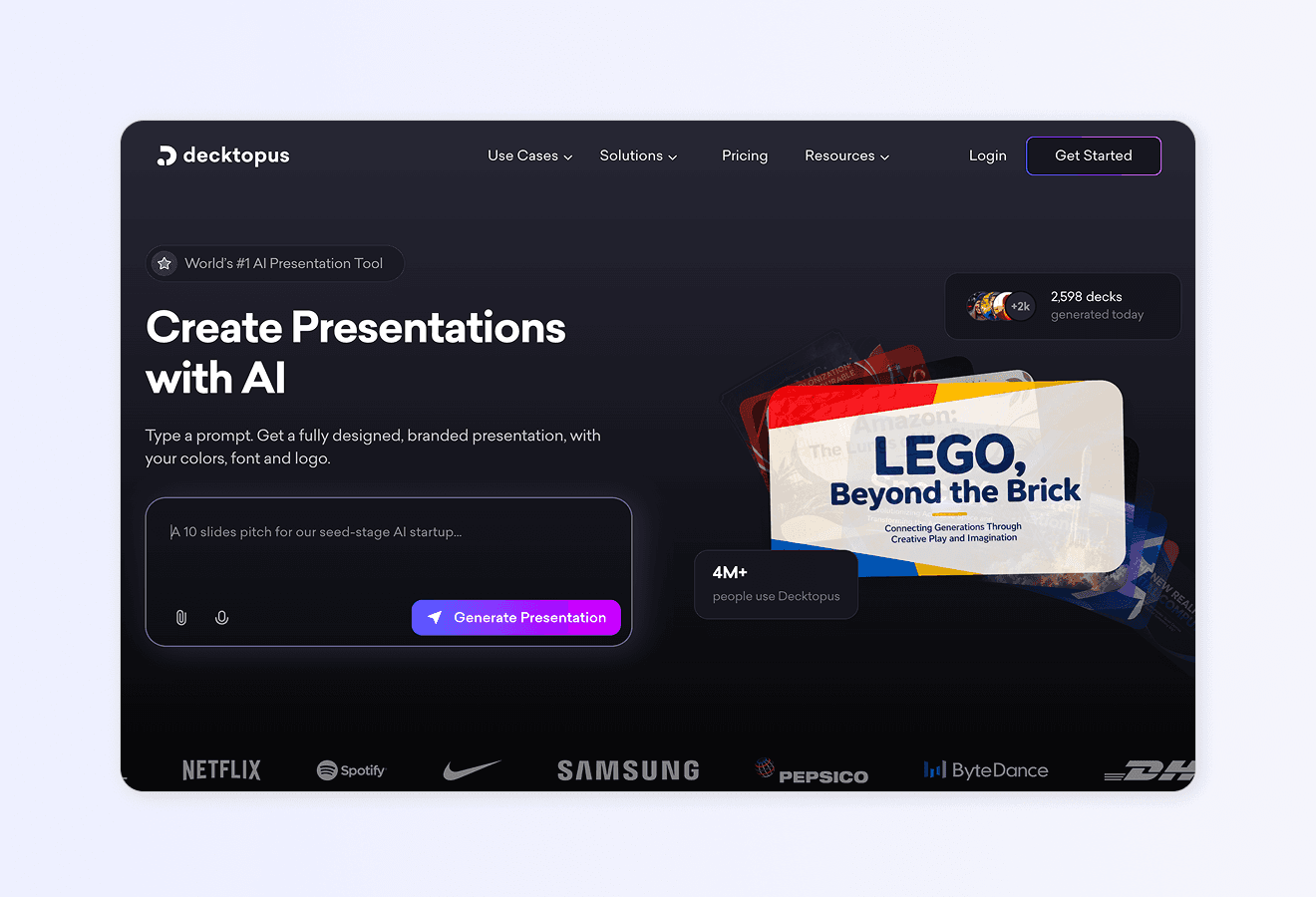
Category: Portfolio deck / presentation tool. Not a portfolio website builder.
Decktopus AI is an AI-first presentation tool that turns your topic or existing materials into a full, on-brand portfolio deck in minutes. It’s not a competitor to Wix or Squarespace. It’s the tool designers use when they need a shareable, presentation-format portfolio for interviews, client pitches, or DM outreach.
How it works. Describe your portfolio (e.g., “5-year graphic design portfolio focused on branding and packaging for consumer brands”) or upload an existing PDF portfolio or case study. Decktopus AI generates a slide-by-slide structure, applies your brand automatically, and lets you refine every slide with Edit with AI.
Confirmed core features:
AI-generated portfolio decks from a short description or uploaded file
Automatic brand import from your website URL (logo, colors, fonts applied to every slide)
Beautify: redesign an existing PDF or PPT portfolio into a fresh version
Edit with AI: refine any slide by describing the change in plain language
Loop AI Delivery Coach: rehearse for interviews or pitch presentations with real-time feedback
Live-link sharing with auto-update: send one URL, and any edits show up automatically for viewers
AI Carousel Maker: turn portfolio pieces into LinkedIn or Instagram carousels
PDF import: convert an existing portfolio PDF into an editable deck
Export to PDF, PPT, or PNG
Pros:
Fastest way to produce a polished portfolio deck (minutes, not days)
Automatic brand consistency across every slide
Loop AI Delivery Coach makes interview prep dramatically easier
Ideal for designers presenting to hiring managers, clients, or pitching for freelance work
Live-link auto-update means your link always shows the latest work
Cons:
Not a portfolio website builder (doesn’t build a public browsable site)
Cloud-only, no offline editing
Best for shareable decks, not a permanent online portfolio home
Ideal for: Designers who present their portfolio in interviews, pitches, or DM outreach and want a polished, on-brand deck they can update quickly. Best used alongside a portfolio website, not instead of one.
Ready to build a portfolio deck fast? Get started with Decktopus AI.
2. Wix: Best for Full Customization
Category: Portfolio website builder.
Wix is one of the most flexible website builders available, with a massive template library and extensive customization control. It’s a strong all-around choice for designers who want a polished portfolio website with room to grow.
Pros:
Extensive template library across every creative discipline
User-friendly drag-and-drop editor
Robust SEO tools built in
Rich app market for extending functionality (contact forms, e-commerce, booking)
Ability to sell products or services alongside your portfolio
Cons:
Advanced features locked behind paid tiers
Interface can feel overwhelming for beginners
Can be difficult to switch templates once you’ve built out a site
Ideal for: Designers who want maximum customization control and plan to expand their site into e-commerce or blogging over time.
3. Squarespace: Best for Polished, Professional Templates
Category: Portfolio website builder.
Squarespace is known for high-quality, magazine-caliber templates and an all-in-one platform that handles hosting, domain, e-commerce, and analytics. It’s the go-to for designers who prioritize visual polish out of the box.
Pros:
Some of the most beautiful default templates in the category
Integrated hosting, e-commerce, and analytics
24/7 customer support
Strong built-in SEO
Reliable performance and uptime
Cons:
More expensive than most competitors
Limited third-party integrations
Less flexibility for deep customization compared to Wix or WordPress
Ideal for: Designers who want a polished, professional-looking portfolio without spending hours on custom design.
4. Adobe Portfolio: Best for Adobe Creative Cloud Users
Category: Portfolio website builder.
Adobe Portfolio is Adobe’s own portfolio builder, included free with an Adobe Creative Cloud subscription. It integrates seamlessly with Behance and syncs work directly from Adobe tools.
Pros:
Included at no extra cost with Adobe Creative Cloud
Seamless sync with Behance and Adobe Fonts
Clean, high-quality templates
Simple, focused interface
Easy to launch quickly
Cons:
Limited customization options compared to Wix or WordPress
Only makes sense if you already pay for Adobe CC
Fewer advanced features (analytics, e-commerce, integrations)
Ideal for: Designers already deep in the Adobe ecosystem who want a free portfolio site tightly connected to their creative tools.
5. Behance: Best for Discovery and Networking
Category: Portfolio community platform.
Behance is Adobe’s social platform for creatives. It’s less of a website builder and more of a portfolio-hosting community with built-in discovery and networking features. Millions of designers use it as their public portfolio home.
Pros:
Free to use
Massive creative community with real discovery mechanics
Adobe Creative Cloud integration
Great for inbound clients through search and community browsing
Easy to set up in an afternoon
Cons:
Fewer customization options (everyone’s page looks similar)
More of a showcase platform than a fully branded portfolio site
No custom domain
Limited control over layout and design
Ideal for: Designers focused on visibility, networking, and inbound discovery who don’t need a fully custom domain or branded experience.
6. Weebly: Best for Beginners on a Budget
Category: Portfolio website builder.
Weebly is a straightforward, budget-friendly website builder with drag-and-drop editing and a decent template library. It’s less polished than Squarespace but easier to use than Wix.
Pros:
Simple drag-and-drop editor
Competitive pricing (free plan available)
Solid template selection for basic portfolios
Includes light e-commerce features
Fast learning curve
Cons:
Limited advanced features
Less design flexibility than Wix or Squarespace
Fewer third-party integrations
Templates feel less premium
Ideal for: Designers building their first portfolio site who want something functional without a steep learning curve.
7. WordPress.com: Best for Extensive Customization
Category: Portfolio website builder / CMS.
WordPress.com offers powerful customization through themes and plugins, backed by the largest CMS community in the world. It’s less designer-friendly out of the box but incredibly flexible with the right theme.
Pros:
Extremely customizable through themes and plugins
Large, active community and vast tutorial ecosystem
Strong SEO capabilities
Free plan available (with limitations)
Excellent for portfolios that double as blogs
Cons:
Steeper learning curve than dedicated portfolio builders
Advanced features and premium themes cost extra
Requires plugin knowledge to unlock full potential
Maintenance overhead higher than closed platforms
Ideal for: Designers who want deep customization, plan to blog alongside their portfolio, and don’t mind investing time in setup.
8. Cargo: Best for Design-Forward Visual Portfolios
Category: Portfolio website builder for creatives.
Cargo is built specifically for creative professionals and offers some of the most visually distinctive templates in the category. It’s a favorite among designers, art directors, and creative studios.
Pros:
Beautiful, editorial-quality templates
Strong customization within a curated design system
Free custom domain included
Mobile-friendly by default
Popular in the professional design community
Cons:
Slightly more expensive than mainstream builders
Fewer business features (no built-in e-commerce)
Less template variety than Wix or Squarespace
Ideal for: Designers, illustrators, and creative studios who want a visually striking, editorial-quality portfolio site.
9. Format: Best for Photographers and Visual Artists
Category: Portfolio website builder for visual creatives.
Format is designed specifically for photographers, illustrators, and visual artists. It includes proofing tools, client galleries, and features tailored to visual-first portfolios.
Pros:
Tailored templates for photography and visual art
Built-in client proofing and gallery tools
User-friendly customization
Print sales and licensing integrations
Strong image display quality
Cons:
Higher pricing than general website builders
Fewer third-party integrations
Less useful for non-visual disciplines (writing, UX)
Ideal for: Photographers, illustrators, and visual artists who need client proofing tools alongside their portfolio.
10. SmugMug: Best for Photography Portfolios
Category: Portfolio and photography storage platform.
SmugMug is a photographer-focused platform with unlimited photo storage, customizable galleries, and integrated e-commerce. It’s a full-service platform for photographers who sell prints or license work.
Pros:
Unlimited photo storage
Customizable galleries with strong image quality
Integrated e-commerce for print sales
Easy photo management at scale
Strong image protection features
Cons:
Limited non-photography templates
Can get expensive for advanced tiers
Less flexible for mixed-media portfolios
Ideal for: Professional photographers who need portfolio, storage, and print sales in one platform.
Portfolio Builders at a Glance
[[EMBED:PGRpdiBzdHlsZT0ib3ZlcmZsb3cteDphdXRvO21hcmdpbjoyMHB4IDAiPjx0YWJsZSBzdHlsZT0id2lkdGg6MTAwJTtib3JkZXItY29sbGFwc2U6Y29sbGFwc2U7Zm9udC1zaXplOjE1cHg7bWFyZ2luOjhweCAwIj48dGggc3R5bGU9ImJvcmRlcjoxcHggc29saWQgI2UzZTZlYTtwYWRkaW5nOjEwcHggMTRweDt0ZXh0LWFsaWduOmxlZnQ7YmFja2dyb3VuZDojZjRmNmY4O2ZvbnQtd2VpZ2h0OjYwMCI+PHRyPjx0aCBzdHlsZT0iYm9yZGVyOjFweCBzb2xpZCAjZTNlNmVhO3BhZGRpbmc6MTBweCAxNHB4O3RleHQtYWxpZ246bGVmdDtiYWNrZ3JvdW5kOiNmNGY2Zjg7Zm9udC13ZWlnaHQ6NjAwIj5Ub29sPC90aD48dGggc3R5bGU9ImJvcmRlcjoxcHggc29saWQgI2UzZTZlYTtwYWRkaW5nOjEwcHggMTRweDt0ZXh0LWFsaWduOmxlZnQ7YmFja2dyb3VuZDojZjRmNmY4O2ZvbnQtd2VpZ2h0OjYwMCI+Q2F0ZWdvcnk8L3RoPjx0aCBzdHlsZT0iYm9yZGVyOjFweCBzb2xpZCAjZTNlNmVhO3BhZGRpbmc6MTBweCAxNHB4O3RleHQtYWxpZ246bGVmdDtiYWNrZ3JvdW5kOiNmNGY2Zjg7Zm9udC13ZWlnaHQ6NjAwIj5CZXN0IEZvcjwvdGg+PHRoIHN0eWxlPSJib3JkZXI6MXB4IHNvbGlkICNlM2U2ZWE7cGFkZGluZzoxMHB4IDE0cHg7dGV4dC1hbGlnbjpsZWZ0O2JhY2tncm91bmQ6I2Y0ZjZmODtmb250LXdlaWdodDo2MDAiPlN0YW5kb3V0IEZlYXR1cmU8L3RoPjwvdHI+PC90aGVhZD48dGJvZHk+PHRyPjx0ZCBzdHlsZT0iYm9yZGVyOjFweCBzb2xpZCAjZTNlNmVhO3BhZGRpbmc6MTBweCAxNHB4O3RleHQtYWxpZ246bGVmdDt2ZXJ0aWNhbC1hbGlnbjp0b3AiPkRlY2t0b3B1cyBBSTwvdGQ+PHRkIHN0eWxlPSJib3JkZXI6MXB4IHNvbGlkICNlM2U2ZWE7cGFkZGluZzoxMHB4IDE0cHg7dGV4dC1hbGlnbjpsZWZ0O3ZlcnRpY2FsLWFsaWduOnRvcCI+UG9ydGZvbGlvIGRlY2s8L3RkPjx0ZCBzdHlsZT0iYm9yZGVyOjFweCBzb2xpZCAjZTNlNmVhO3BhZGRpbmc6MTBweCAxNHB4O3RleHQtYWxpZ246bGVmdDt2ZXJ0aWNhbC1hbGlnbjp0b3AiPkludGVydmlld3MsIGNsaWVudCBwaXRjaGVzLCBhbmQgc2hhcmluZyB2aWEgZW1haWwgb3IgRE1zPC90ZD48dGQgc3R5bGU9ImJvcmRlcjoxcHggc29saWQgI2UzZTZlYTtwYWRkaW5nOjEwcHggMTRweDt0ZXh0LWFsaWduOmxlZnQ7dmVydGljYWwtYWxpZ246dG9wIj5BdXRvbWF0aWMgYnJhbmQgaW1wb3J0IGZyb20gYSB3ZWJzaXRlICsgTG9vcCBBSSBEZWxpdmVyeSBDb2FjaDwvdGQ+PC90cj48dHI+PHRkIHN0eWxlPSJib3JkZXI6MXB4IHNvbGlkICNlM2U2ZWE7cGFkZGluZzoxMHB4IDE0cHg7dGV4dC1hbGlnbjpsZWZ0O3ZlcnRpY2FsLWFsaWduOnRvcCI+V2l4PC90ZD48dGQgc3R5bGU9ImJvcmRlcjoxcHggc29saWQgI2UzZTZlYTtwYWRkaW5nOjEwcHggMTRweDt0ZXh0LWFsaWduOmxlZnQ7dmVydGljYWwtYWxpZ246dG9wIj5XZWJzaXRlIGJ1aWxkZXI8L3RkPjx0ZCBzdHlsZT0iYm9yZGVyOjFweCBzb2xpZCAjZTNlNmVhO3BhZGRpbmc6MTBweCAxNHB4O3RleHQtYWxpZ246bGVmdDt2ZXJ0aWNhbC1hbGlnbjp0b3AiPkhpZ2hseSBjdXN0b21pemFibGUgcG9ydGZvbGlvIHdlYnNpdGVzPC90ZD48dGQgc3R5bGU9ImJvcmRlcjoxcHggc29saWQgI2UzZTZlYTtwYWRkaW5nOjEwcHggMTRweDt0ZXh0LWFsaWduOmxlZnQ7dmVydGljYWwtYWxpZ246dG9wIj5MYXJnZSB0ZW1wbGF0ZSBsaWJyYXJ5IGFuZCBleHRlbnNpdmUgYXBwIG1hcmtldHBsYWNlPC90ZD48L3RyPjx0cj48dGQgc3R5bGU9ImJvcmRlcjoxcHggc29saWQgI2UzZTZlYTtwYWRkaW5nOjEwcHggMTRweDt0ZXh0LWFsaWduOmxlZnQ7dmVydGljYWwtYWxpZ246dG9wIj5TcXVhcmVzcGFjZTwvdGQ+PHRkIHN0eWxlPSJib3JkZXI6MXB4IHNvbGlkICNlM2U2ZWE7cGFkZGluZzoxMHB4IDE0cHg7dGV4dC1hbGlnbjpsZWZ0O3ZlcnRpY2FsLWFsaWduOnRvcCI+V2Vic2l0ZSBidWlsZGVyPC90ZD48dGQgc3R5bGU9ImJvcmRlcjoxcHggc29saWQgI2UzZTZlYTtwYWRkaW5nOjEwcHggMTRweDt0ZXh0LWFsaWduOmxlZnQ7dmVydGljYWwtYWxpZ246dG9wIj5FbGVnYW50IGFuZCBwcm9mZXNzaW9uYWwgcG9ydGZvbGlvIHdlYnNpdGVzPC90ZD48dGQgc3R5bGU9ImJvcmRlcjoxcHggc29saWQgI2UzZTZlYTtwYWRkaW5nOjEwcHggMTRweDt0ZXh0LWFsaWduOmxlZnQ7dmVydGljYWwtYWxpZ246dG9wIj5QcmVtaXVtIHRlbXBsYXRlcyB3aXRoIHBvbGlzaGVkIHZpc3VhbCBkZXNpZ248L3RkPjwvdHI+PHRyPjx0ZCBzdHlsZT0iYm9yZGVyOjFweCBzb2xpZCAjZTNlNmVhO3BhZGRpbmc6MTBweCAxNHB4O3RleHQtYWxpZ246bGVmdDt2ZXJ0aWNhbC1hbGlnbjp0b3AiPkFkb2JlIFBvcnRmb2xpbzwvdGQ+PHRkIHN0eWxlPSJib3JkZXI6MXB4IHNvbGlkICNlM2U2ZWE7cGFkZGluZzoxMHB4IDE0cHg7dGV4dC1hbGlnbjpsZWZ0O3ZlcnRpY2FsLWFsaWduOnRvcCI+V2Vic2l0ZSBidWlsZGVyPC90ZD48dGQgc3R5bGU9ImJvcmRlcjoxcHggc29saWQgI2UzZTZlYTtwYWRkaW5nOjEwcHggMTRweDt0ZXh0LWFsaWduOmxlZnQ7dmVydGljYWwtYWxpZ246dG9wIj5BZG9iZSBDcmVhdGl2ZSBDbG91ZCB1c2VyczwvdGQ+PHRkIHN0eWxlPSJib3JkZXI6MXB4IHNvbGlkICNlM2U2ZWE7cGFkZGluZzoxMHB4IDE0cHg7dGV4dC1hbGlnbjpsZWZ0O3ZlcnRpY2FsLWFsaWduOnRvcCI+SW5jbHVkZWQgd2l0aCBDcmVhdGl2ZSBDbG91ZCBhbmQgaW50ZWdyYXRlcyB3aXRoIEJlaGFuY2U8L3RkPjwvdHI+PHRyPjx0ZCBzdHlsZT0iYm9yZGVyOjFweCBzb2xpZCAjZTNlNmVhO3BhZGRpbmc6MTBweCAxNHB4O3RleHQtYWxpZ246bGVmdDt2ZXJ0aWNhbC1hbGlnbjp0b3AiPkJlaGFuY2U8L3RkPjx0ZCBzdHlsZT0iYm9yZGVyOjFweCBzb2xpZCAjZTNlNmVhO3BhZGRpbmc6MTBweCAxNHB4O3RleHQtYWxpZ246bGVmdDt2ZXJ0aWNhbC1hbGlnbjp0b3AiPkNyZWF0aXZlIGNvbW11bml0eTwvdGQ+PHRkIHN0eWxlPSJib3JkZXI6MXB4IHNvbGlkICNlM2U2ZWE7cGFkZGluZzoxMHB4IDE0cHg7dGV4dC1hbGlnbjpsZWZ0O3ZlcnRpY2FsLWFsaWduOnRvcCI+TmV0d29ya2luZyBhbmQgcG9ydGZvbGlvIGRpc2NvdmVyeTwvdGQ+PHRkIHN0eWxlPSJib3JkZXI6MXB4IHNvbGlkICNlM2U2ZWE7cGFkZGluZzoxMHB4IDE0cHg7dGV4dC1hbGlnbjpsZWZ0O3ZlcnRpY2FsLWFsaWduOnRvcCI+TGFyZ2UgQWRvYmUgY3JlYXRpdmUgY29tbXVuaXR5IHdpdGggYnVpbHQtaW4gYXVkaWVuY2U8L3RkPjwvdHI+PHRyPjx0ZCBzdHlsZT0iYm9yZGVyOjFweCBzb2xpZCAjZTNlNmVhO3BhZGRpbmc6MTBweCAxNHB4O3RleHQtYWxpZ246bGVmdDt2ZXJ0aWNhbC1hbGlnbjp0b3AiPldlZWJseTwvdGQ+PHRkIHN0eWxlPSJib3JkZXI6MXB4IHNvbGlkICNlM2U2ZWE7cGFkZGluZzoxMHB4IDE0cHg7dGV4dC1hbGlnbjpsZWZ0O3ZlcnRpY2FsLWFsaWduOnRvcCI+V2Vic2l0ZSBidWlsZGVyPC90ZD48dGQgc3R5bGU9ImJvcmRlcjoxcHggc29saWQgI2UzZTZlYTtwYWRkaW5nOjEwcHggMTRweDt0ZXh0LWFsaWduOmxlZnQ7dmVydGljYWwtYWxpZ246dG9wIj5CZWdpbm5lcnMgYW5kIGJ1ZGdldC1jb25zY2lvdXMgY3JlYXRvcnM8L3RkPjx0ZCBzdHlsZT0iYm9yZGVyOjFweCBzb2xpZCAjZTNlNmVhO3BhZGRpbmc6MTBweCAxNHB4O3RleHQtYWxpZ246bGVmdDt2ZXJ0aWNhbC1hbGlnbjp0b3AiPkVhc3kgZHJhZy1hbmQtZHJvcCBlZGl0b3Igd2l0aCBhIGZyZWUgcGxhbjwvdGQ+PC90cj48dHI+PHRkIHN0eWxlPSJib3JkZXI6MXB4IHNvbGlkICNlM2U2ZWE7cGFkZGluZzoxMHB4IDE0cHg7dGV4dC1hbGlnbjpsZWZ0O3ZlcnRpY2FsLWFsaWduOnRvcCI+V29yZFByZXNzLmNvbTwvdGQ+PHRkIHN0eWxlPSJib3JkZXI6MXB4IHNvbGlkICNlM2U2ZWE7cGFkZGluZzoxMHB4IDE0cHg7dGV4dC1hbGlnbjpsZWZ0O3ZlcnRpY2FsLWFsaWduOnRvcCI+V2Vic2l0ZSBidWlsZGVyIC8gQ01TPC90ZD48dGQgc3R5bGU9ImJvcmRlcjoxcHggc29saWQgI2UzZTZlYTtwYWRkaW5nOjEwcHggMTRweDt0ZXh0LWFsaWduOmxlZnQ7dmVydGljYWwtYWxpZ246dG9wIj5BZHZhbmNlZCBjdXN0b21pemF0aW9uIGFuZCBibG9nZ2luZzwvdGQ+PHRkIHN0eWxlPSJib3JkZXI6MXB4IHNvbGlkICNlM2U2ZWE7cGFkZGluZzoxMHB4IDE0cHg7dGV4dC1hbGlnbjpsZWZ0O3ZlcnRpY2FsLWFsaWduOnRvcCI+RXh0ZW5zaXZlIHRoZW1lcywgcGx1Z2lucywgYW5kIGNvbnRlbnQgbWFuYWdlbWVudCBmZWF0dXJlczwvdGQ+PC90cj48dHI+PHRkIHN0eWxlPSJib3JkZXI6MXB4IHNvbGlkICNlM2U2ZWE7cGFkZGluZzoxMHB4IDE0cHg7dGV4dC1hbGlnbjpsZWZ0O3ZlcnRpY2FsLWFsaWduOnRvcCI+Q2FyZ288L3RkPjx0ZCBzdHlsZT0iYm9yZGVyOjFweCBzb2xpZCAjZTNlNmVhO3BhZGRpbmc6MTBweCAxNHB4O3RleHQtYWxpZ246bGVmdDt2ZXJ0aWNhbC1hbGlnbjp0b3AiPkNyZWF0aXZlIHBvcnRmb2xpbzwvdGQ+PHRkIHN0eWxlPSJib3JkZXI6MXB4IHNvbGlkICNlM2U2ZWE7cGFkZGluZzoxMHB4IDE0cHg7dGV4dC1hbGlnbjpsZWZ0O3ZlcnRpY2FsLWFsaWduOnRvcCI+RGVzaWduZXJzIGFuZCBjcmVhdGl2ZSBwcm9mZXNzaW9uYWxzPC90ZD48dGQgc3R5bGU9ImJvcmRlcjoxcHggc29saWQgI2UzZTZlYTtwYWRkaW5nOjEwcHggMTRweDt0ZXh0LWFsaWduOmxlZnQ7dmVydGljYWwtYWxpZ246dG9wIj5FZGl0b3JpYWwtc3R5bGUgdGVtcGxhdGVzIHdpdGggYSBzdHJvbmcgdmlzdWFsIGZvY3VzPC90ZD48L3RyPjx0cj48dGQgc3R5bGU9ImJvcmRlcjoxcHggc29saWQgI2UzZTZlYTtwYWRkaW5nOjEwcHggMTRweDt0ZXh0LWFsaWduOmxlZnQ7dmVydGljYWwtYWxpZ246dG9wIj5Gb3JtYXQ8L3RkPjx0ZCBzdHlsZT0iYm9yZGVyOjFweCBzb2xpZCAjZTNlNmVhO3BhZGRpbmc6MTBweCAxNHB4O3RleHQtYWxpZ246bGVmdDt2ZXJ0aWNhbC1hbGlnbjp0b3AiPlBvcnRmb2xpbyBwbGF0Zm9ybTwvdGQ+PHRkIHN0eWxlPSJib3JkZXI6MXB4IHNvbGlkICNlM2U2ZWE7cGFkZGluZzoxMHB4IDE0cHg7dGV4dC1hbGlnbjpsZWZ0O3ZlcnRpY2FsLWFsaWduOnRvcCI+UGhvdG9ncmFwaGVycywgaWxsdXN0cmF0b3JzLCBhbmQgYXJ0aXN0czwvdGQ+PHRkIHN0eWxlPSJib3JkZXI6MXB4IHNvbGlkICNlM2U2ZWE7cGFkZGluZzoxMHB4IDE0cHg7dGV4dC1hbGlnbjpsZWZ0O3ZlcnRpY2FsLWFsaWduOnRvcCI+Q2xpZW50IHByb29maW5nIHRvb2xzIGFuZCBpbnRlZ3JhdGVkIHByaW50IHNhbGVzPC90ZD48L3RyPjx0cj48dGQgc3R5bGU9ImJvcmRlcjoxcHggc29saWQgI2UzZTZlYTtwYWRkaW5nOjEwcHggMTRweDt0ZXh0LWFsaWduOmxlZnQ7dmVydGljYWwtYWxpZ246dG9wIj5TbXVnTXVnPC90ZD48dGQgc3R5bGU9ImJvcmRlcjoxcHggc29saWQgI2UzZTZlYTtwYWRkaW5nOjEwcHggMTRweDt0ZXh0LWFsaWduOmxlZnQ7dmVydGljYWwtYWxpZ246dG9wIj5QaG90b2dyYXBoeSBwbGF0Zm9ybTwvdGQ+PHRkIHN0eWxlPSJib3JkZXI6MXB4IHNvbGlkICNlM2U2ZWE7cGFkZGluZzoxMHB4IDE0cHg7dGV4dC1hbGlnbjpsZWZ0O3ZlcnRpY2FsLWFsaWduOnRvcCI+UHJvZmVzc2lvbmFsIHBob3RvZ3JhcGhlcnM8L3RkPjx0ZCBzdHlsZT0iYm9yZGVyOjFweCBzb2xpZCAjZTNlNmVhO3BhZGRpbmc6MTBweCAxNHB4O3RleHQtYWxpZ246bGVmdDt2ZXJ0aWNhbC1hbGlnbjp0b3AiPlVubGltaXRlZCBwaG90byBzdG9yYWdlIHdpdGggYnVpbHQtaW4gcHJpbnQgZS1jb21tZXJjZTwvdGQ+PC90cj48L3Rib2R5PjwvdGFibGU+PC9kaXY+]]
How to Build Your Portfolio Deck with Decktopus AI
A portfolio website lives at your domain. A portfolio deck lives in a link you can share in interviews, DMs, and pitches. Most designers need both. Decktopus AI is the fastest way to build the deck side.
1. Describe your topic. Type something like “5-year graphic design portfolio focused on branding and packaging for consumer goods brands.” Or upload an existing PDF portfolio or case study document as a supporting file. If you already have an old portfolio deck, Decktopus AI’s Beautify feature can redesign it or use it as a source for a new version.
2. Choose your style. Pick a brand, reuse a saved look, or start fresh with AI. Decktopus AI will ask how you want your presentation to look. You can apply a saved style, import your brand directly from your portfolio website URL (which pulls in your logo, colors, and fonts automatically), or let AI generate a professional style from scratch. For designers, brand import from your own site is particularly powerful. It ensures every portfolio deck is instantly aligned with your web presence.
3. Review the outline. Decktopus AI generates a slide-by-slide structure covering cover, about, skills, featured projects, case studies, process, testimonials, and contact. Adjust before the full deck is built.
4. Refine with Edit with AI. Click Edit with AI and type instructions like “make the case study slide more visual,” “add a process breakdown to slide 5,” or “shorten the about section.” All edits are tracked with unlimited version history.
5. Export or share. Download as PDF, PPT, or PNG. Share via live link. Any updates you make afterward automatically appear at the same URL, so a recruiter or client always sees the latest version. Or present directly during interviews.
You can also use the Loop AI Delivery Coach during rehearsal for real-time feedback on how you walk through your work. It’s particularly useful for portfolio reviews and interview presentations where pacing and clarity determine whether the room stays engaged.
Bonus: AI Carousel Maker for social. Decktopus AI can also turn your portfolio pieces or case studies into native LinkedIn and Instagram carousels, automatically brand-styled. For designers building an audience on social, this cuts hours off weekly content prep.
For broader guidance, see the best AI presentation tools, our ultimate presentation tools roundup, and our guide on how to do a presentation.
Ready to build a portfolio deck that lands interviews and clients? Get started with Decktopus AI.
Common Mistakes When Building a Design Portfolio
Including too much work. Curate ruthlessly. Ten strong pieces beat 30 average pieces. Recruiters judge you by your weakest piece as much as your strongest.
No case studies or process shots. For UX and product designers especially, showing process (research, sketches, wireframes, iterations) matters more than final visuals. Skip case studies and hiring managers assume you can’t articulate your thinking.
Weak or generic homepage. The first three seconds decide whether the visitor scrolls or clicks away. If your homepage doesn’t immediately communicate what kind of designer you are, you’ve already lost most of your audience.
Outdated work. Anything older than 3 years should either be your absolute best work or removed entirely. Recruiters read old work as “this is what they’re capable of today.”
No context on each project. Client name, role, timeline, and outcome. If a viewer can’t understand what you actually did in 15 seconds, the project isn’t earning its slot in your portfolio.
Slow load times. Design portfolios are visual by nature. Uncompressed images, huge video files, and heavy scripts can push page load past 5 seconds. Every second past 3 loses roughly 20% of visitors.
Not mobile-friendly. Over half of portfolio views now happen on mobile. If your portfolio isn’t optimized for smaller screens, half your audience gets a broken experience.
No contact method. Every portfolio needs an easy way to reach you. Email, LinkedIn, contact form, or all three. Missing this kills conversion.
Frequently Asked Questions
Where is the best place to build a design portfolio?
The best place depends on what kind of portfolio you need. For a portfolio website (public, discoverable, permanent), Squarespace and Wix are the strongest all-around choices. For a portfolio deck (shareable, presentation-format, updated often), Decktopus AI is the fastest option. Most working designers use both.
What is the best portfolio builder for designers in 2026?
For portfolio websites, Squarespace leads for polished templates, Wix for customization flexibility, and Adobe Portfolio for Adobe Creative Cloud users. For portfolio decks used in interviews and pitches, Decktopus AI is the fastest way to produce something on-brand and rehearsal-ready.
Do I need both a portfolio website and a portfolio deck?
Most working designers do. The website acts as your permanent online home and gets discovered through search, LinkedIn, and referrals. The deck gets shared in interviews, DMs, and client pitches. They serve different moments in the hiring funnel.
How many projects should I include in my portfolio?
Between 8 and 12 curated pieces is ideal. More than that dilutes your best work. Fewer than 6 makes it feel thin. Quality of curation matters more than volume.
What is a pitch deck compared to a portfolio deck?
A pitch deck sells a product, business, or idea. A portfolio deck sells you (or your studio). Both use the presentation format, and both benefit from strong storytelling, but the audience and goal are different. For more on pitch decks, see what is a pitch deck.
How do I build a great design portfolio?
Choose the right platform for your goal (website vs. deck). Curate to 8 to 12 strong pieces. Include case studies with process, not just final visuals. Write clear project context. Keep it mobile-friendly. Update at least every 6 months. Make contact easy.
Where do designers create their portfolios?
Designers use a mix of platforms. Squarespace, Wix, and Adobe Portfolio for websites. Behance for community and discovery. Cargo, Format, and SmugMug for visual disciplines. Decktopus AI, PowerPoint, and Keynote for portfolio decks used in interviews.
What should I include on my portfolio homepage?
A clear headline about who you are and what you do. Two or three featured projects. A short about section. Contact info. Anything more is usually clutter. The homepage’s job is to earn the click, not tell your full story.
How often should I update my portfolio?
Every 3 to 6 months. Every time you finish a project you’re proud of. Every time your role or focus shifts. Stale portfolios read as inactive to hiring managers.
Is Decktopus AI a full portfolio website builder?
No. Decktopus AI creates portfolio decks (presentation-format, shareable). It’s not a replacement for a portfolio website builder like Wix or Squarespace. It’s the tool you use alongside those platforms when you need a polished, presentation-ready portfolio for interviews or pitches.
Can I import my existing PDF portfolio into Decktopus AI?
Yes. Decktopus AI supports PDF import, which turns your existing PDF portfolio into an editable, on-brand deck. Beautify can then redesign it or use it as source material for a new version.
How do I make my portfolio stand out from other designers?
Curate ruthlessly. Show process alongside outcomes. Write project context that reveals how you think. Match your portfolio’s visual system to the kind of work you want to attract. And don’t neglect the small details (typography, alignment, spacing) that other designers will notice immediately.
Conclusion
The right portfolio builder depends on what kind of portfolio you’re actually trying to create. For a permanent, discoverable online home, Squarespace, Wix, Adobe Portfolio, Cargo, Format, or SmugMug will serve you best, depending on your discipline and budget. For a shareable, presentation-format portfolio you can send to recruiters, walk through in interviews, or use in client pitches, Decktopus AI is the fastest way to produce something polished and on-brand.
Most designers benefit from having both. The website acts as the permanent showcase. The deck acts as the tactical, ever-updating asset for specific hiring moments. Together they cover every stage of how design work gets discovered, evaluated, and won.
Whichever tools you choose, the fundamentals still hold: curate ruthlessly, tell the story behind each project, keep your work updated, and make sure both your website and your deck reflect the kind of designer you actually want to become known as.
For more resources, see our guides on portfolio examples, the best portfolio maker, and the best AI presentation tools.
Related posts

How to Build Confidence When Speaking in Public (2026 Guide)
The science behind speaking confidence, the CONFIDENT framework, and the AI practice method that turns nervous presenters into calm, credible speakers.
Templates & How-to

How to Practice Public Speaking Alone (With and Without AI)
The 4 rehearsal methods that actually build public speaking skill, why mirror practice fails, and how AI simulates a real audience for structured feedback.
Templates & How-to

How to Give a TED Talk: Delivery Tips from the Best Speakers (2026)
A structured breakdown of what makes TED talks land, the delivery framework used by top speakers, and the AI practice method that closes the gap.
Templates & How-to